
For fuel, chemical, and food-grade tank truck projects, material choice affects payload, corrosion resistance, fabrication difficulty, and long-term operating cost. New purchasers often know they want a lighter tank, but they are not always sure whether 5083 is the right grade, what temper to request, or how to judge plate quality before production starts.
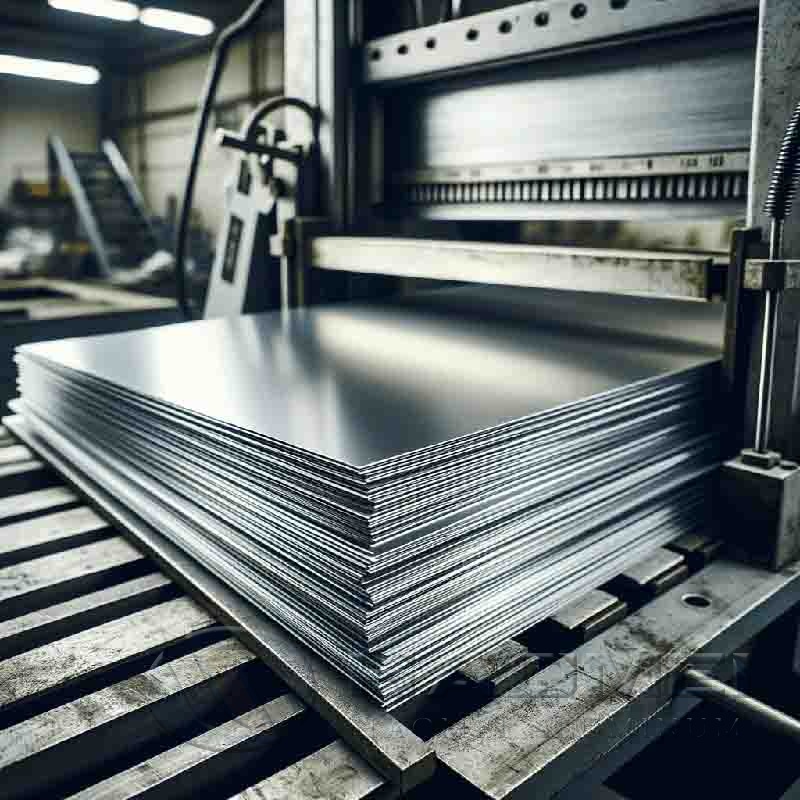
Below are five hot English-language questions that closely reflect what real users have been asking recently, followed by original answers written for companies sourcing aluminum tanker plate.
1. Is 5083 aluminium the best alloy for tanker trucks?
5083 aluminium is one of the strongest non-heat-treatable aluminum alloys used in transport tanks, and it is widely selected for tanker shells, heads, and structural sections. Its biggest advantages are high corrosion resistance, good weldability, and strong performance in demanding road and loading conditions.
That said, "best" depends on the cargo and tank design. For many petroleum and general liquid transport applications, 5083 aluminum plate is a leading choice because it combines strength with lower vehicle weight. Compared with carbon steel, it helps reduce dead weight and increase payload. Compared with some other aluminum grades, it offers a strong balance of fatigue resistance and weld performance.
However, not every part of a tanker must use the same alloy. Some manufacturers also compare 5083 with 5454 aluminum plate for specific temperature or corrosion conditions. In practical manufacturing, 5083 is often preferred when the design needs proven tank-body performance, especially for large-volume road tankers.
2. What temper of 5083 aluminium is commonly used for tanker plate?
This is one of the most frequent sourcing questions because temper affects formability and strength. In tanker manufacturing, common tempers include O, H111, H112, and H321, depending on the part and fabrication route.
5083-O is softer and easier to form, so it may be considered for components requiring deeper shaping.
5083-H111 and H112 are often used where a balance between processing and mechanical performance is needed.
5083-H321 is widely discussed for tanker body plate because it offers stable strength and good corrosion behavior after controlled strain hardening.
For cylindrical tanker shells, the fabricator usually wants plate that bends smoothly, welds cleanly, and retains reliable mechanical properties in service. That is why many tank truck plants ask suppliers not only for the alloy and temper, but also for bend radius, elongation, flatness, and ultrasonic inspection capability.
A basic comparison is shown below.
| 5083 temper | Typical feature | Common tanker relevance |
|---|---|---|
| O | Highest formability | Shaped parts, special forming |
| H111 | Light work hardening | General fabrication |
| H112 | From hot working process | Structural applications |
| H321 | Stable strain-hardened condition | Tank shell and tanker plate discussions |
When requesting quotations, it is smart to specify application, plate thickness, width, and whether the plate will be used for shell, baffle, head, or bulkhead. That gives the mill a better basis for recommending the correct temper.
3. How thick should 5083 aluminium tanker plate be?
This is a practical question, but there is no single standard answer because thickness depends on tank capacity, cargo density, regulatory code, and vehicle design philosophy. On social platforms, many ask for a "normal thickness". In reality, tanker plants choose thickness through structural calculation, not guesswork.
For example, shell plate, end plate, and baffle plate may all use different gauges. A lightweight fuel tanker may target thinner wall sections than a chemical tanker with higher design requirements. The welding method, reinforcement layout, and anti-surge structure also influence the final plate selection.
In early project discussions, suppliers are usually asked about these factors:
| Factor | Why it matters |
|---|---|
| Tank volume | Larger tanks often need stronger structural support |
| Cargo type | Density and corrosion risk affect plate selection |
| Road condition | Rough service increases fatigue demand |
| Fabrication method | Rolling and welding influence suitable thickness |
| Local regulation | Compliance may set minimum requirements |
So, instead of asking only for "5083 aluminium thickness", ask whether the plate is for the shell, head, partition, or support member. That will produce more accurate pricing and a more realistic production plan.
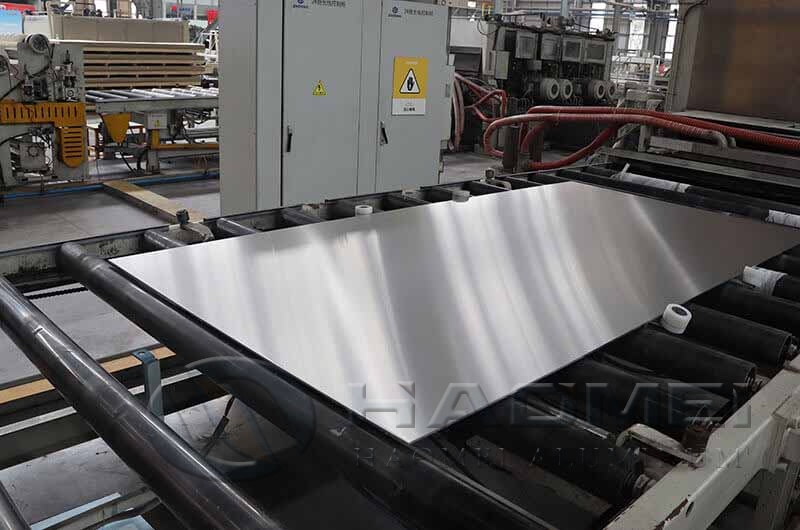
4. Does 5083 aluminium crack after welding in tank truck manufacturing?
This question appears often because new purchasers worry that a lighter alloy may be harder to weld than steel. In normal tanker fabrication, 5083 aluminium has very good weldability, which is one reason it is so widely used. But weld quality depends on process control, not just alloy grade.
Weld cracking risk usually rises when there are problems such as:
Poor joint preparation.
Contaminated plate surface.
Incorrect filler wire selection.
Excessive heat input.
Weak fixture control during shell assembly.
A quality plate supplier can reduce downstream risk by providing stable chemistry, clean surface condition, good flatness, and consistent mechanical properties from batch to batch. For tank truck plants, consistency matters almost as much as nominal strength. If one batch rolls well and the next batch springs back differently, production efficiency suffers.
That is why serious purchasers often review mill certificates, welding history, and previous tanker-project references before approving a source of 5083 aluminium.
5. Why is 5083 aluminium tanker plate sometimes priced much higher than expected?
Price questions have become especially active in recent months. Many first-time purchasers compare one quotation with another and assume all 5083 plate is basically the same. In fact, price differences often come from specification and quality-control details that are invisible in a simple quote sheet.
The main cost drivers include alloy purity control, thickness tolerance, width, temper, required certifications, and inspection level. Extra-wide plate for tanker shell production may carry a different cost structure than standard industrial sheet. Plates with stricter flatness or lower internal-defect tolerance may also be more expensive because the manufacturing yield is lower.
Another hidden factor is processing suitability. A cheaper plate that causes cracking, poor rolling, or rework during welding can become more expensive than a higher-grade plate with stable fabrication performance. For this reason, experienced tank manufacturers evaluate total manufacturing value rather than price per ton alone.
What new buyers should ask a 5083 aluminium supplier before placing an order
If you are sourcing for aluminum tanker plate production, ask these questions early:
What tempers are available for tanker shell applications?
Can the supplier provide wide plates to reduce longitudinal welds?
What are the guaranteed thickness and flatness tolerances?
Is the plate supplied with traceable mill test certificates?
Has the material been used in aluminum tank truck manufacturing before?
These questions reveal whether the supplier understands tanker production rather than simply selling generic sheet. For new projects, technical matching is usually more valuable than receiving the lowest initial quotation.