
5083 aluminum plate is widely used in tank trucks, fuel trailers, chemical transport vehicles, and special-purpose vehicle bodies because it offers a practical balance of strength, corrosion resistance, weldability, and weight reduction. For fleet operators and vehicle factories, the right plate specification can reduce dead weight, improve payload, support safer welding, and help the finished tank comply with regional transport rules.
Compared with carbon steel, aluminum alloy plate can lower the weight of a tank body while maintaining the structural performance required by design codes. Among 5xxx series alloys, 5083 is one of the most recognized options for road tanker shells, heads, baffles, and supporting structures where welded strength and resistance to atmospheric and many liquid media are important.
Why 5083 aluminum plate is used in tank trucks
5083 is an aluminum-magnesium alloy. It is not strengthened by heat treatment. Its strength mainly comes from magnesium content and controlled rolling or strain hardening. This matters for tank truck manufacturing because the material keeps good weldability and toughness, and its welded joints can perform reliably when correct filler wire, welding parameters, and quality control are used.
For many tank truck designs, engineers choose 5083 aluminum plate for shells and end caps because it combines medium-high strength with good forming performance. It is especially suitable for cylindrical tanks, elliptical tanks, fuel carriers, water trucks, powder tankers, and some chemical transport applications, subject to compatibility checks between the cargo and the alloy.
| Property area | Practical meaning for tank trucks | Purchasing note |
|---|---|---|
| Low density | Helps reduce vehicle dead weight and improve payload | Compare total tank weight, not only plate price |
| Weldability | Supports MIG and TIG welding in tank fabrication | Confirm filler wire and welding procedure with the fabricator |
| Corrosion resistance | Performs well in marine atmosphere, road environment, and many neutral liquids | Confirm cargo compatibility before ordering |
| Formability | Suitable for rolling, bending, and forming tank heads | Select temper according to bending radius and process route |
| Fatigue performance | Important for vehicles exposed to vibration and road impact | Tank design, weld quality, and support layout also matter |
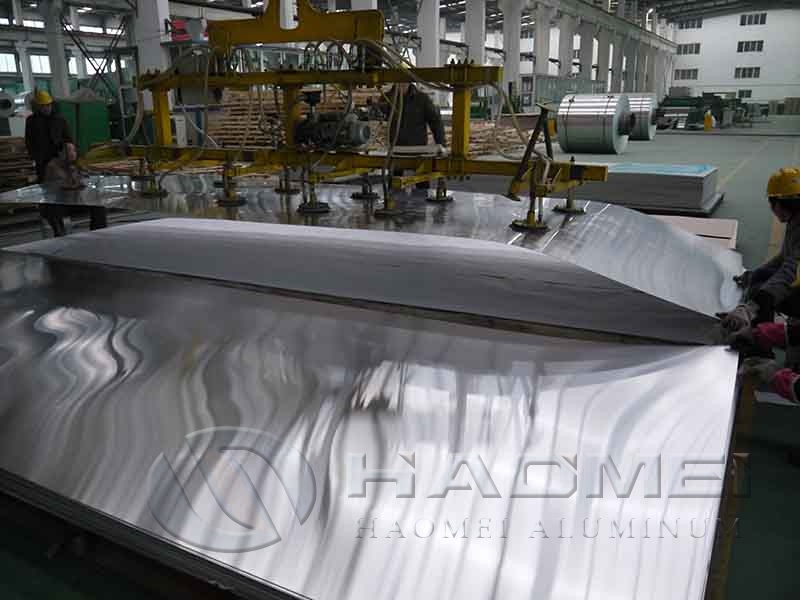
Common tempers for tanker use include O, H111, and H112, depending on the forming method and strength requirement. H116 and H321 are often associated with marine corrosion performance requirements and should be specified only when the project standard or engineering drawing calls for them. In real procurement, the drawing and applicable regulation should decide the alloy, temper, thickness, and inspection method.
How to specify material for tanker and special vehicle fabrication
A clear purchase specification prevents costly disputes. The order should not say only 5083 plate. It should include alloy, temper, thickness, width, length, tolerance, surface finish, standard, certificate requirement, and packaging method. For export or regulated tank projects, the material certificate is as important as the plate itself.
Recognized standards may include ASTM B209/B209M for aluminum sheet and plate, EN 485 for sheet, strip, and plate, EN 573-3 for chemical composition, and GB/T 3880 in China. Finished road tanks may also be affected by rules such as ADR and EN 13094 in many European-related markets, or DOT cargo tank specifications in the United States. These regulations govern the tank design and manufacture rather than only the raw plate, so the vehicle designer or certified tank builder should confirm the final requirement.
| Specification item | What to confirm | Why it affects the tank |
|---|---|---|
| Alloy and temper | 5083-O, 5083-H111, 5083-H112, or drawing requirement | Controls strength, forming, and welding behavior |
| Thickness tolerance | Standard tolerance or special tolerance | Affects tank weight, forming accuracy, and cost |
| Plate size | Width, length, and cutting plan | Reduces weld seams and improves material yield |
| Surface quality | Mill finish, no harmful scratches, oil control | Helps welding, inspection, and appearance |
| Certificate | Chemical composition, mechanical properties, heat number | Supports traceability and compliance review |
| Packaging | Waterproof paper, wooden pallets, export packing | Reduces oxidation, stains, and transport damage |
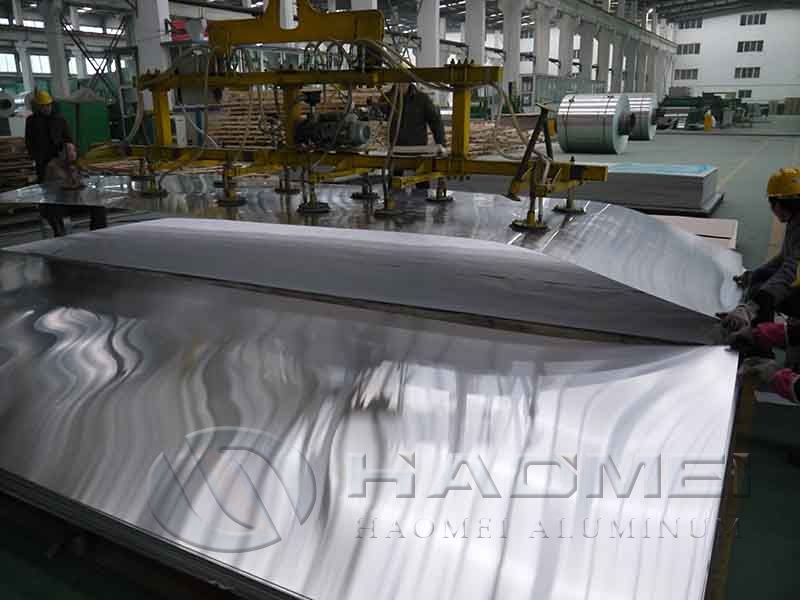
For shells, wider and longer plates can reduce the number of longitudinal welds, but they may increase rolling difficulty, shipping cost, and minimum order quantity. For heads and baffles, formability may be more important than maximum strength. If the factory uses spinning, pressing, or cold forming, it should verify the minimum bend radius and forming trial data before mass production.
Chemical tank trucks require extra attention. 5083 performs well in many environments, but no aluminum alloy is universal. Strong alkaline cargoes, some acids, and high-temperature service may be unsuitable. When operating temperature is continuously elevated, 5xxx alloys with high magnesium content require careful review because sensitization and stress corrosion concerns can increase under certain conditions. For some elevated-temperature or special chemical applications, 5454 aluminum plate may be evaluated by the tank designer.
Purchasing points that affect price, delivery, and service life
The cost of 5083 plate changes with aluminum ingot prices, magnesium cost, energy cost, rolling capacity, plate width, thickness range, and order quantity. A low unit price is not always economical if the plate has poor flatness, unstable tolerances, or high defect rates during welding and forming. Procurement teams should compare total production cost, including cutting yield, weld seam quantity, inspection cost, rework risk, and delivery reliability.
Thickness is one of the largest price and performance factors. A thinner plate may reduce weight, but it must still meet the tank design pressure, impact requirement, corrosion allowance if used, and fatigue requirement. A thicker plate may simplify design but increases weight and can reduce payload. The correct choice comes from engineering calculation and applicable code review, not from price alone.
Supply chain stability also matters. For large fleet projects, ask the mill or service center about regular production ranges, lead time, maximum plate width, heat lot control, and repeat-order consistency. Tank factories often prefer stable rolling mills because welding procedures, forming settings, and inspection results become more predictable when material properties remain consistent from batch to batch.
When comparing quotations, request the same technical conditions from every supplier. If one offer uses standard tolerance and another uses tighter tolerance, the prices are not directly comparable. If one supplier includes third-party inspection, export packing, or cut-to-size service, the higher price may still reduce risk during manufacturing.
A practical purchasing request for tank truck plate can include these items:
| Request item | Recommended wording example |
|---|---|
| Material | 5083 aluminum alloy plate for welded tank truck fabrication |
| Temper | H111 or H112, according to approved drawing |
| Standard | ASTM B209/B209M, EN 485, GB/T 3880, or project requirement |
| Certificate | Mill test certificate with heat number and mechanical properties |
| Surface | Clean mill finish, free from defects harmful to forming or welding |
| Inspection | Dimensional check, visual inspection, optional third-party inspection |
| Packing | Export seaworthy packing with moisture protection |
Before placing a volume order, many tank manufacturers arrange a trial batch. The trial should test rolling, head forming, cutting, welding, leak testing, and surface cleaning. If the plates pass the fabrication process smoothly, the same specification can then be locked for repeated production. This method helps control cost while protecting tank safety, especially for fuel trailers, chemical tanks, cement powder tankers, and other special vehicles that operate under vibration, road salt, temperature changes, and loading cycles.