
Potential users of aluminum tanker materials often ask the same thing first: why does 5083 H111 appear so often in tanker quotes, trailer specifications, and export inquiries? Over the last three months, questions on Google, Quora, and industry forums have focused less on theory and more on practical decisions such as temper selection, cracking after welding, suitable thickness, and whether 5083 H111 is better than other tanker alloys. The answers below are written for people comparing materials for fuel tankers, chemical tankers, milk tankers, and other aluminum tank truck projects.
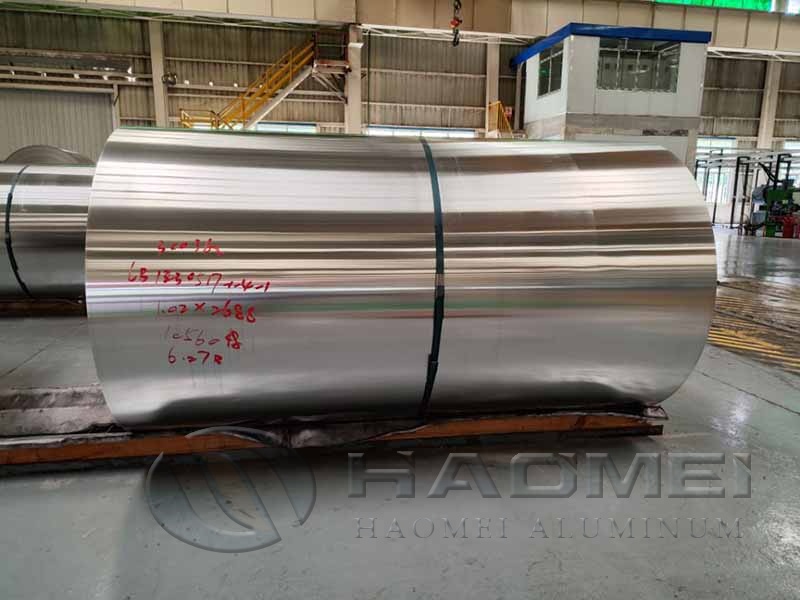
1. Is 5083 H111 a good choice for aluminum tanker plate?
Yes, in most transport tank applications, 5083 H111 is one of the most dependable choices. The reason is not simply that it is "strong." It offers a practical balance of corrosion resistance, weldability, formability, and stable performance after fabrication. Tank trucks are not static structures. They face vibration, liquid sloshing, road shock, temperature change, and repeated loading cycles. A plate that performs well only in lab strength testing may still be a poor tanker material if it becomes difficult to bend or loses too much performance in the welded area.
5083 H111 works well because it belongs to the Al-Mg alloy family, which is widely used in marine and tanker environments. For tanker shells and heads, many fabricators consider 5083 aluminum plate a preferred solution when low weight and corrosion resistance matter at the same time.
2. What does H111 mean in 5083 H111, and why does it matter for tank truck manufacturing?
H111 means the alloy has undergone slight work hardening, usually less than a stronger temper such as H32 or H34. For new users, this matters because temper affects fabrication behavior as much as chemistry does. In tanker production, plate is rolled, curved, welded, and assembled into compartments, bulkheads, and shell sections. If the temper is too hard, forming becomes more difficult and the risk of surface damage or shape deviation can rise.
H111 is often selected when manufacturers want a temper that stays relatively easy to process while still providing useful mechanical properties. This is especially important for large-diameter tank bodies, where plate must be formed smoothly and consistently. In simple terms, H111 gives a good manufacturing window. It is not chosen because it has the highest advertised strength, but because it helps the finished tank perform reliably after forming and welding.
| Item | 5083 H111 Practical Value in Tanker Use |
|---|---|
| Corrosion resistance | Very good for fuel, liquid, and outdoor transport environments |
| Weldability | Excellent for common tanker fabrication methods |
| Formability | Better suited to rolling and shaping than harder tempers |
| Weight saving | Lighter than steel, helping payload efficiency |
| Service life potential | Strong resistance to rust-related maintenance issues |
3. Does 5083 H111 crack after welding, or is it safe for tanker shells?
This is one of the most common real-world questions, and the honest answer is that the alloy itself is widely recognized as weld-friendly, but final weld quality still depends on fabrication control. 5083 H111 is commonly used in welded structures because it maintains good properties in the heat-affected zone compared with many other materials. That said, poor edge preparation, wrong filler wire, contamination, and uncontrolled heat input can still create weld defects.
For aluminum tank trucks, the issue is usually not whether 5083 H111 can be welded, but whether the factory has enough process discipline. Buyers should ask about welding procedure qualification, filler selection, plate flatness, and nondestructive testing. A good plate can still lead to a poor tanker if welding practice is weak.
Another point worth noting is that aluminum surfaces must be kept clean before welding. Oil, moisture, or oxide buildup can affect weld consistency. This is why serious tanker fabricators pay close attention to plate storage and handling, not only alloy grade.
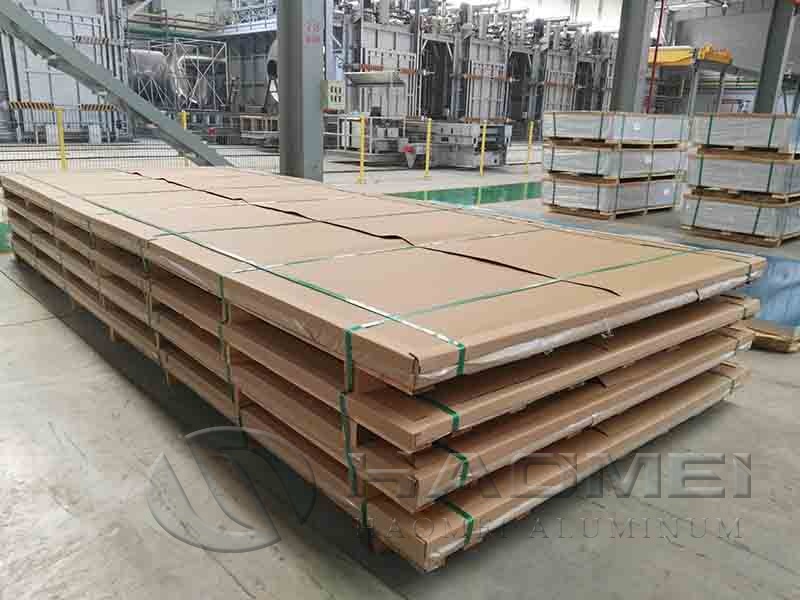
4. What thickness of 5083 H111 is usually used for aluminum tanker plate?
There is no single universal thickness, because the answer depends on tank volume, compartment design, transported medium, local regulations, and structural layout. However, many inquiries in the last three months have centered on whether thinner aluminum automatically means lower safety. The real issue is engineering design, not thickness alone.
A properly designed tanker uses alloy grade, wall thickness, reinforcement layout, and welding design as one system. Some applications use thinner shell material to reduce dead weight, while others require thicker sections for specific road conditions or cargo properties. Bulkheads, heads, and anti-wave structures may also differ from the shell in thickness or shape.
If a project requires comparison across alloys, fabricators may also review alternatives within their Products range to match cost, stiffness, and forming needs. Still, for many tank shell applications, 5083 H111 remains a standard reference point because it offers a mature and proven balance.
| Tanker Part | Common Consideration When Choosing Thickness |
|---|---|
| Shell plate | Capacity, pressure condition, road vibration, dent resistance |
| Tank heads | Forming radius, impact resistance, weld layout |
| Bulkheads | Compartment load distribution, anti-surge performance |
| Baffles | Fluid sloshing control, structural support |
5. Is 5083 H111 better than 5454 or other aluminum alloys for tanker manufacturing?
This question is hot because price pressure has become more visible in recent inquiries. The better alloy is not always the cheaper one or the one with the highest nominal strength. It depends on what the tanker needs to do.
5083 H111 is often chosen when corrosion resistance and broad structural reliability are the priorities. It has a strong reputation in transportation and marine-related fabrication. Some other alloys may also be suitable for tanker parts, especially when a manufacturer is optimizing cost or matching a particular cargo environment. But when users want a well-established material with wide industry acceptance, 5083 H111 is frequently shortlisted first.
For potential new users, a practical way to compare is this:
| Question | Why It Matters |
|---|---|
| What liquid will the tanker carry? | Different media can change corrosion and cleaning requirements |
| What is the target payload? | Weight saving may justify aluminum over steel |
| How complex is the tank design? | Easier forming and welding can reduce production risk |
| What standards must be met? | Export, food-grade, fuel, or chemical transport may differ |
| What is the factory's welding capability? | Material performance depends heavily on execution |
In recent online discussions, many people have asked whether 5083 H111 is "worth the extra cost." In tanker manufacturing, material cost should be judged together with service life, corrosion performance, maintenance frequency, tare weight, and fabrication efficiency. A cheaper plate that creates more welding issues or a shorter operating life may not be cheaper in the actual transport business. That is why 5083 H111 continues to receive so much attention from users planning aluminum tank truck projects.