
Tank trucks and special vehicles rely on lightweight, corrosion resistant materials to carry fuels, chemicals, water, and food grade liquids safely. Among the 5xxx series alloys used in transportation, 5754 H111 aluminum is widely specified because it balances formability, weldability, and strength, while maintaining good resistance to atmospheric and many industrial environments. For bulk purchasers, the challenge is not only selecting the right alloy, but also locking down temper, thickness tolerance, inspection requirements, and a stable supply plan that matches fabrication realities.
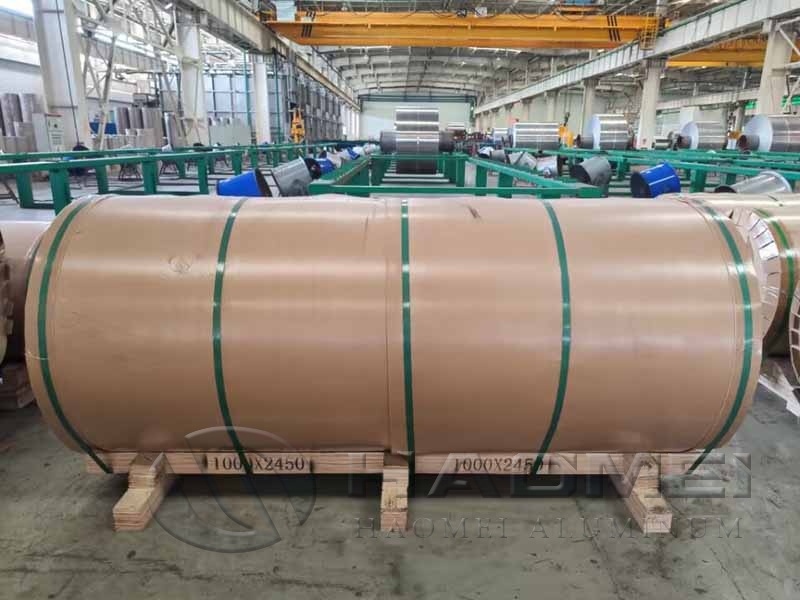
What 5754 H111 aluminum means for tank truck fabrication
5754 is an Al Mg alloy. In practical terms, magnesium improves strength and corrosion performance compared with non heat treatable pure aluminum grades, while still allowing efficient forming and welding. H111 is a lightly strain hardened temper, typically used when you need properties close to annealed material but with controlled mechanical performance and good ductility for rolling, forming, and fitting.
In tank truck manufacturing, that combination matters because many parts involve bending, rolling into cylindrical shapes, dishing ends, and welding long seams. A temper that is too hard can raise the risk of cracking during forming or create more springback, while a fully soft temper may be unnecessarily low in strength for some structures. H111 is often selected when fabricators want predictable forming performance but still need dependable minimum properties.
5754 is commonly used for:
Tank shells and curved sections where good forming is needed.
Compartments and baffles where weld integrity and corrosion resistance are priorities.
External cladding, piping covers, and ancillary structures in corrosive service.
If your project requires higher strength or different corrosion behavior, related options are sometimes evaluated. For example, 5454 aluminum plate is frequently discussed for certain chemical or higher temperature service, while 5754 remains a versatile choice when balanced formability is essential.
Plate specification checklist: what to ask before you place an order
Bulk purchasing succeeds when the purchase order matches the shop floor process. The most common mistakes come from leaving key details open, which can lead to coil supplied instead of plate, inconsistent thickness, or inspection documents that do not meet end user requirements.
Use the checklist below to align technical and commercial expectations.
| Item to confirm | What to specify | Why it matters for tank trucks |
|---|---|---|
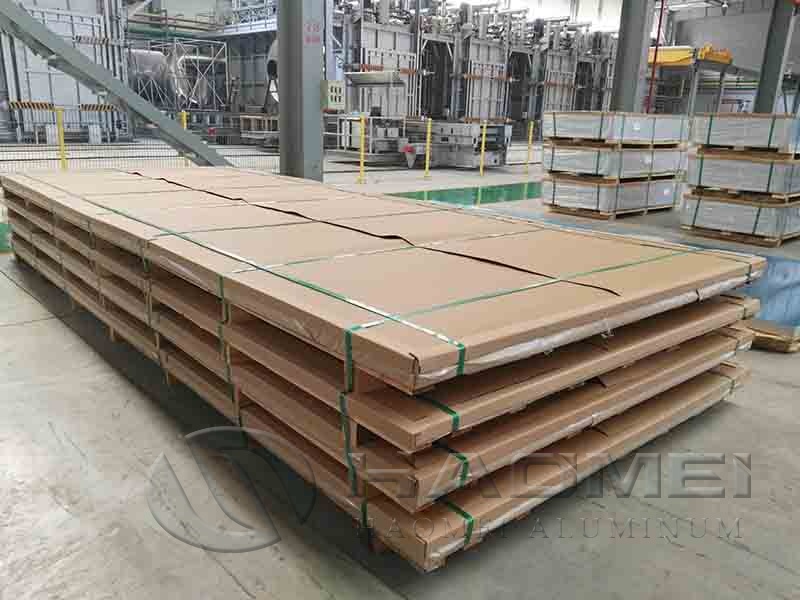
| Product form | Plate, sheet, or coil, plus cut to length if needed | Shell rolling and head forming typically prefer flatness controlled plate or sheet |
| Alloy and temper | 5754, H111 | Temper affects forming, springback, and weld area behavior |
| Thickness range | State nominal thickness and allowed tolerance | Tolerance drives weight, fit up, and welding gap control |
| Width and length | Include max width, length, and squareness | Wide plate can reduce weld seams and fabrication time |
| Surface condition | Mill finish, one side protected film, or specific roughness | Surface impacts cleaning, painting, and food grade preparation |
| Flatness requirements | Define permissible waviness or camber | Poor flatness slows rolling and can distort seam alignment |
| Testing and documentation | Mill test certificate, heat number traceability, optional third party inspection | Traceability is often required in regulated transport and fleet audits |
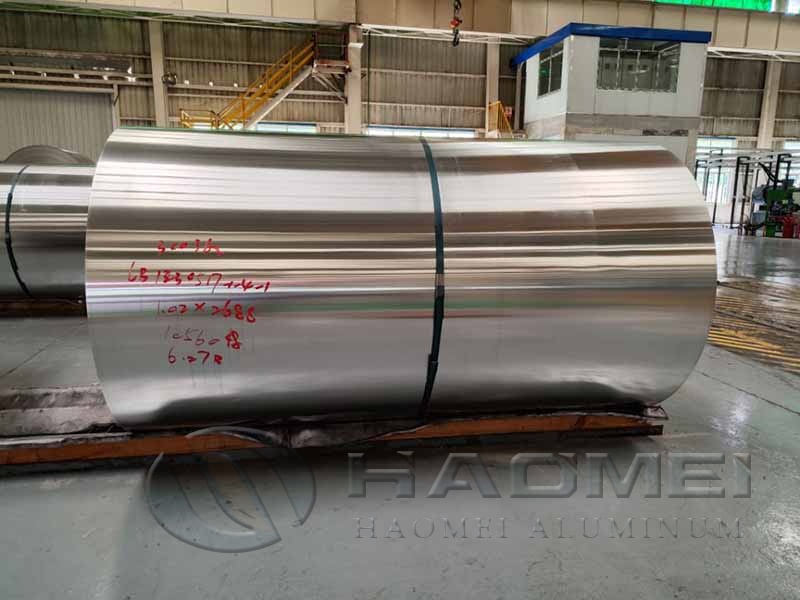
A practical note on standards: requirements vary by region and end use. Many supply chains use EN or ASTM based specifications for chemical composition, mechanical properties, and tolerances. Rather than assuming a default, align your order with the vehicle standard, the tank code or customer spec, and the fabricator's approved welding procedure. It is also reasonable to request that certificates list composition, mechanical properties, temper, dimensions, and heat numbers for traceability.
How to evaluate suppliers and control total cost
Price per ton is only one variable. For tank truck programs, downtime, scrap, and rework can cost more than small differences in material pricing. Evaluate suppliers using criteria that reduce manufacturing risk.
1. Process capability and consistency
Ask how the plate is produced and controlled. For forming intensive parts, consistency across heats and lots reduces the need to re tune rolling radii and welding parameters. If you are buying wide plate to reduce weld seams, confirm the supplier can deliver stable flatness and edge quality at the required width.
2. Welding and forming support
5754 is a weldable alloy, but real world quality depends on fit up, cleanliness, filler selection, and procedure qualification. If the supplier understands tanker manufacturing, they can often help match plate condition to your forming method, and help you avoid overly hard material that complicates rolling.
3. Supply chain planning and market cycles
5xxx series plate costs typically move with primary aluminum pricing, regional premiums, and rolling capacity. Lead times can tighten when transportation demand rises or when wide mill capacity is constrained. Bulk purchasers usually benefit from:
Forecasting with blanket orders to stabilize lead time.
Defining acceptable split shipments for large projects.
Pre agreeing on substitution rules, such as whether coil may be accepted for certain parts.
If your build includes multiple alloys, coordinate them under one supply plan. For example, if some structural areas require a different balance of strength and toughness, 5083 aluminum plate may be evaluated in parallel, while 5754 H111 remains the forming friendly option for other components.
4. Receiving inspection: quick checks that prevent shop floor issues
On arrival, verify:
Heat numbers on plate match the mill test certificate.
Thickness and width at multiple points, not just one corner.
Flatness and edge condition suitable for your rolling equipment.
Surface cleanliness, especially if the application is food grade or if painting is required.
5. Typical application driven ordering tips
For rolled shells, specify consistent directionality and discuss rolling direction with the fabricator to manage forming behavior.
If you need fewer longitudinal welds, consider wide plate and define max coil set or waviness limits.
For parts that will be polished, painted, or used in hygiene sensitive service, clarify surface protection film and handling requirements to reduce scratches.
By treating 5754 H111 aluminum as a process material, not just a commodity, bulk purchasers can reduce rework, stabilize welding quality, and keep special vehicle production schedules predictable while maintaining the corrosion resistance and weight savings that aluminum tank trucks are designed for.