
Al 5754 H111 is frequently discussed by aluminum tank truck fabricators because it combines moderate strength, strong corrosion resistance, and reliable forming behavior. In recent tank-manufacturing discussions on Google searches, Quora-style forums, and technical procurement communities, questions often focus less on alloy names and more on whether a plate will perform consistently after rolling, welding, pressure testing, and road service.
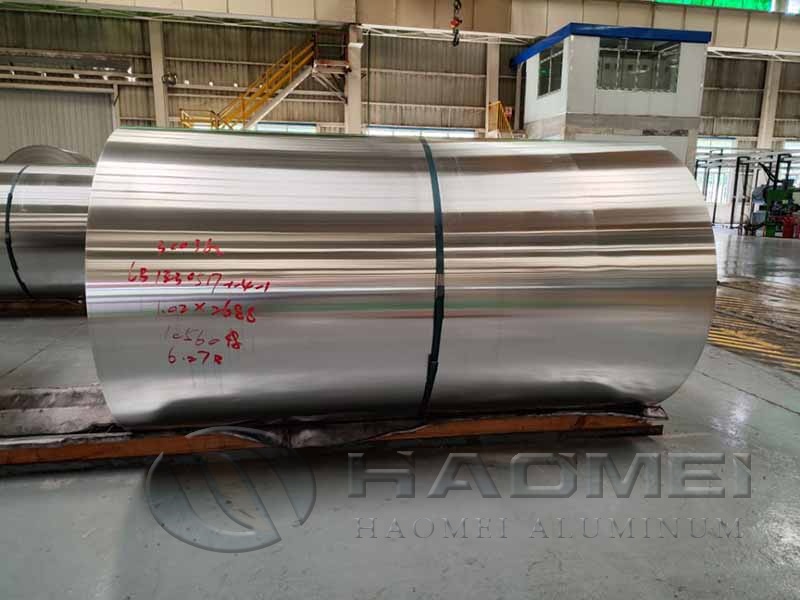
For tanker shells, material selection should be based on the carried medium, tank geometry, required plate width, welding procedure, and applicable transport regulations. H111 indicates a lightly strain-hardened condition, generally suitable where forming remains important but a fully annealed temper is not required.
| Evaluation item | Al 5754 H111 performance | Tanker manufacturing relevance |
|---|---|---|
| Corrosion resistance | Strong in atmospheric and many non-aggressive liquid environments | Supports long service life for fuel, water, and selected chemical applications |
| Formability | Good | Useful for rolled cylindrical shells, dished ends, and formed components |
| Weldability | Excellent with suitable filler metal and controls | Helps maintain joint quality during tank assembly |
| Strength level | Medium | Must be matched with thickness and structural design |
| Surface quality | Important for internal cleanliness and coating preparation | Reduces finishing and cleaning work |
1. Is Al 5754 H111 suitable for an aluminum fuel tanker shell?
Yes, Al 5754 H111 can be suitable for fuel tanker shell production when the tanker design, thickness calculation, and transported product are compatible with the alloy. Its magnesium content provides better corrosion resistance than many general-purpose aluminum grades, while its moderate strength supports large formed panels and cylindrical sections.
However, alloy selection should not be made from tensile strength alone. A tanker shell is a welded pressure-containing structure exposed to vibration, cyclic loading, localized stress near baffles, and possible internal contamination. The plate should therefore be assessed together with the shell diameter, longitudinal seam arrangement, baffle layout, operating pressure or vacuum condition, and regulatory requirements.
For applications demanding higher strength margins, some fabricators compare Al 5754 H111 with 5454 aluminum plate. The better choice depends on the intended liquid cargo, design code, formed shape, and thickness range rather than a single material property.
2. What thickness of Al 5754 H111 plate is normally used for tank trucks?
There is no universal thickness because tank dimensions and load cases vary widely. Tank shell plate thickness should be calculated from structural requirements and then checked against manufacturing limitations such as welding distortion, rolling capability, and dent resistance.
A practical procurement discussion should include the following data before confirming plate thickness.
| Information needed | Why it affects plate thickness |
|---|---|
| Tank diameter and length | Larger shells can require greater stiffness |
| Number of compartments | More bulkheads and openings change local loading |
| Carried medium density | Denser liquids increase hydrostatic stress |
| Operating pressure and vacuum rating | Determines shell stability requirements |
| Baffle and bulkhead design | Influences surge loads and fatigue zones |
| Applicable transport standard | Defines mandatory construction and test conditions |
For many road tanker projects, shell plate may fall within a medium-gauge range, but exact figures must come from the approved design calculation. Ordering plate that is unnecessarily thick raises vehicle tare weight, while plate that is too thin can create rolling, welding, and service-life risks.
3. Does welding Al 5754 H111 reduce strength around tanker seams?
Yes. Like other non-heat-treatable aluminum alloys, Al 5754 H111 loses some strain-hardening effect in the heat-affected zone next to a weld. This is expected behavior, not automatically a defect. The important engineering question is whether the welded condition still meets the required joint strength and fatigue performance.
Tanker manufacturers commonly manage this issue through weld-joint design, appropriate filler wire, stable heat input, fit-up control, and post-weld inspection. Excessive heat can widen the softened area, increase distortion, and affect surface appearance. Too little heat can create lack of fusion or porosity.
For shell construction, weld performance also depends on plate cleanliness. Oil, moisture, oxide build-up, and embedded particles can contribute to porosity. Plates should arrive with protected surfaces, clear alloy-temper identification, and flatness suited to rolling and seam preparation.
4. Can Al 5754 H111 be rolled into a large tanker cylinder without cracking?
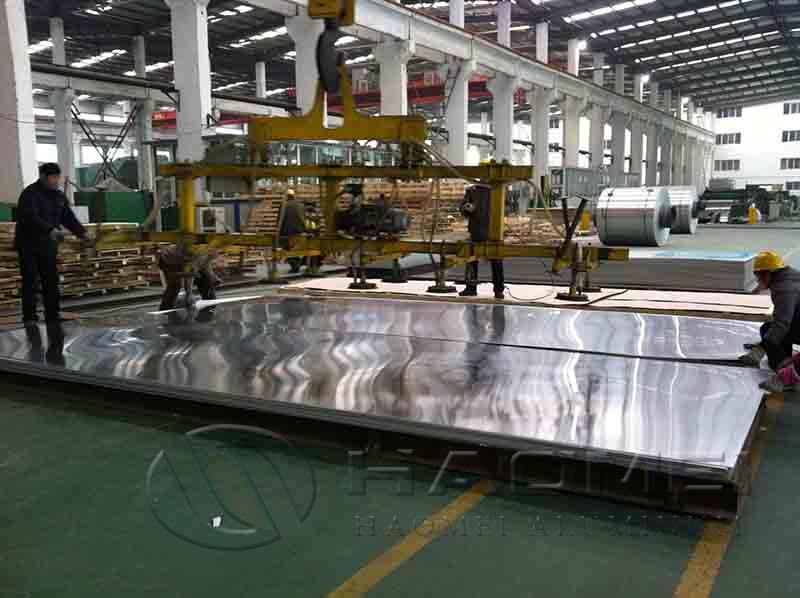
In most properly controlled applications, Al 5754 H111 has good rolling and forming characteristics for tanker shells. Its H111 temper offers a balance between supplied strength and ductility, making it more workable than harder tempers that may be less forgiving during severe bending or rolling.
Cracking risk is influenced by more than the alloy designation. Plate thickness tolerance, grain direction, edge condition, roller settings, forming radius, and material temperature all matter. Poorly trimmed edges are a common source of starting cracks because small notches concentrate strain during bending.
For wide tanker shells, a wider mother plate can reduce the number of longitudinal seams. Fewer seams may simplify assembly and reduce weld-related distortion, although handling equipment and rolling-machine capacity must support the plate dimensions. Fabricators evaluating shell stock often specify 5754 aluminum plate with confirmed width, thickness tolerance, surface finish, and ultrasonic inspection requirements.
5. What inspections should be requested for Al 5754 H111 tanker plate?
The inspection package should reflect the tanker's intended service and the fabrication standard. A basic mill certificate is useful, but it may not be sufficient for critical tanker work. The purchase specification should clearly state what must be verified before production begins.
Recommended checks include:
- Chemical composition confirmation for Al 5754 alloy compliance.
- Mechanical-property testing in the supplied H111 temper.
- Thickness, width, length, and flatness measurement.
- Surface inspection for scratches, dents, inclusions, oil staining, and edge defects.
- Ultrasonic testing where internal discontinuity control is required.
- Traceability marking that remains legible through storage and cutting.
- Packaging that limits moisture exposure and handling damage.
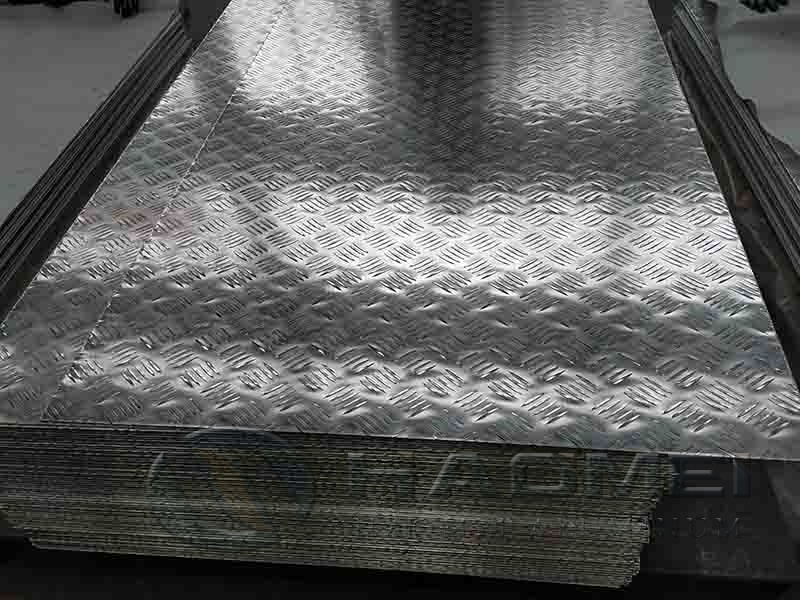
Tanker body plate and tread plate serve different functions. Al 5754 H111 is commonly considered for formed shell components, while patterned aluminum sheet may be selected for walkways, access platforms, and anti-slip truck surfaces. Separating these requirements in the material specification helps prevent an unsuitable surface pattern, temper, or thickness from entering the shell fabrication process.