
AL 5754 is a widely used Al-Mg alloy in transportation equipment because it offers a practical balance of strength, corrosion resistance, weldability, and formability. For tank trucks and special vehicles, this alloy is often considered for parts that need reliable performance in service while still helping reduce overall vehicle weight.
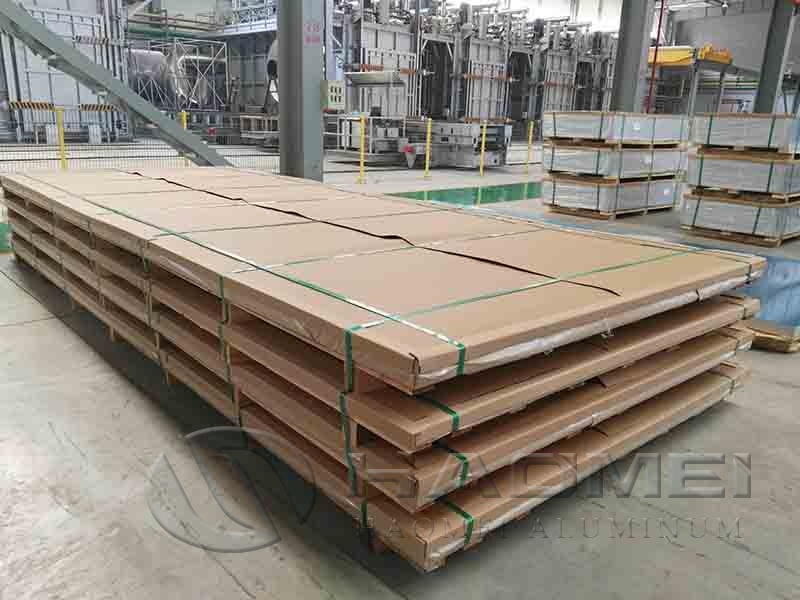
Why AL 5754 matters in tanker applications
In tank truck manufacturing, material selection affects payload, fuel consumption, fabrication efficiency, and service life. Compared with carbon steel, aluminum alloys help reduce dead weight. Within the aluminum family, 5754 is known for good corrosion resistance in industrial and marine-like environments, solid welding behavior, and stable processing performance.
Typical characteristics of AL 5754 include:
- Medium strength among non-heat-treatable aluminum alloys.
- Good resistance to atmospheric corrosion and many chemicals.
- Good weldability for tank body fabrication.
- Good bending and forming performance for panels and structural parts.
- Good surface quality for sheet and plate processing.
For tank trucks, 5754 is not the only option. Grades such as 5083, 5454, and 5182 are also commonly evaluated. In practice, selection depends on the cargo medium, design pressure, sheet thickness, welding plan, and regulatory requirements.
Common uses of 5754 in tank trucks and special vehicles
AL 5754 is often used in:
- Tank body sheets for certain liquid transport designs.
- Baffles and compartment components.
- Side panels and protective structures.
- Tool boxes, fenders, and lightweight body parts.
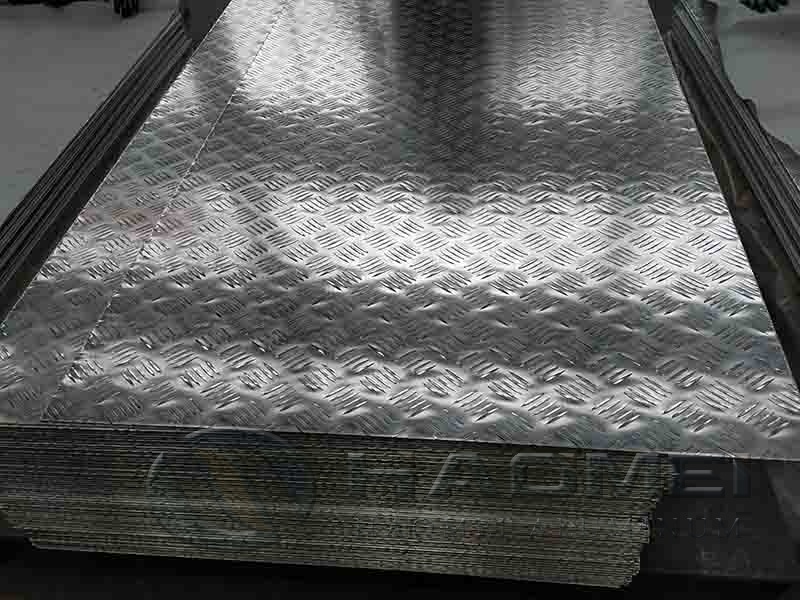
- Tread plate and flooring on service vehicles.
AL 5754 compared with other tanker alloys
Bulk purchasers usually compare 5754 with 5083, 5454, and 5182 before placing an order. Each alloy has its own application logic.
| Alloy | Main feature | Typical tanker-related use | Notes |
|---|---|---|---|
| 5754 | Good corrosion resistance and formability | Tank components, vehicle body parts | Balanced cost and processing performance |
| 5083 | Higher strength and excellent corrosion resistance | Tank shells, pressure-sensitive structures | Often chosen for demanding transport conditions |
| 5454 | Good high-temperature and corrosion performance | Tankers carrying certain chemical or warm media | Frequently considered for tank bodies |
| 5182 | Good formability and moderate strength | Heads, covers, formed parts | Useful where shaping performance is important |
If the project needs stronger plate for more demanding tank body structures, many fabricators also review 5083 aluminum plate. If the design gives more weight to corrosion behavior in specific cargo environments, 5754 aluminum plate remains a practical option for evaluation.
Chemical and mechanical considerations
5754 belongs to the 5xxx series aluminum-magnesium alloys. Its exact performance depends on temper, thickness, and production quality. Common tempers include O, H111, and H22, though actual supply should match the forming and welding plan.
When purchasing sheet for tankers, it is important to confirm:
- Alloy and temper.
- Thickness tolerance.
- Width and length range.
- Mechanical properties from the mill test certificate.
- Surface condition.
- Flatness.
- Ultrasonic or other inspection needs, if required.
- Applicable standard, such as EN, ASTM, or customer-specific technical agreement.
How to purchase AL 5754 sheet for tank trucks
For bulk orders, price alone is not enough. A lower quotation may create higher fabrication loss if the plate has poor flatness, unstable width tolerance, or inconsistent mechanical properties.
1. Match the alloy to the actual cargo and structure
Different cargoes create different demands. Fuel tankers, chemical tankers, and food-grade liquid transport units may not use the same material strategy. Confirm whether the plate will be used for the shell, bulkhead, head, anti-wave plate, or external body part.
2. Confirm temper based on forming and welding
If the part needs deeper forming, a softer temper may be more suitable. If dimensional stability is more important, another temper may be preferred. Discuss this with the fabricator before locking the order.
3. Check certificate and compliance requirements
For tanker and special vehicle projects, purchasers usually ask for:
- Mill test certificate.
- Chemical composition report.
- Mechanical property report.
- Standard compliance documents.
- Traceability by heat number or batch number.
In some markets, transport equipment may also need to align with local vehicle manufacturing and safety regulations. The plate supplier should be able to support documentation consistency.
4. Evaluate processing quality, not only alloy name
Two mills may both offer 5754, but the final fabrication result can differ. Ask about:
- Internal quality control.
- Surface defect rate.
- Edge condition.
- Plate flatness after cutting.
- Delivery condition and packing.
These points affect welding efficiency and scrap rate during tanker production.
5. Review supply stability for large-volume orders
Tank truck factories often work on delivery schedules. Stable lead time matters as much as technical performance. Before signing a long-term contract, verify:
| Purchasing checkpoint | Why it matters |
|---|---|
| Monthly production capacity | Supports repeated batch deliveries |
| Stock range | Helps urgent projects |
| Width and thickness coverage | Reduces secondary sourcing |
| Packaging method | Protects surface during transport |
| Export experience | Improves document and logistics coordination |
6. Ask for samples when the project is new
For first-time cooperation, samples help confirm welding behavior, forming response, and surface quality. This is especially useful when the plate will be used in visible external components or critical structural parts.
In market practice, AL 5754 is attractive because it sits in a useful middle position: better corrosion resistance and lightweight potential than many traditional materials, while remaining easier to process than some higher-strength alternatives in certain applications. For tank truck and special vehicle manufacturers, that balance can improve fabrication efficiency and help control total lifecycle cost.