
People searching for an Aluminium Tanker Plate Supplier on Google and Q&A platforms tend to ask the same practical questions: which alloy is safest for the cargo, what certificates are real, and how to avoid costly rework during fabrication. Below are 5 of the most asked questions seen repeatedly in recent online discussions, with straightforward, supplier-facing answers.
1) Which aluminum grade is best for tanker bodies, 5083 or 5454?
This is one of the most common questions because both alloys are used in transport tanks, yet they behave differently depending on cargo type, temperature, and forming.
5083 (Al-Mg) is typically chosen when you need higher strength and excellent marine corrosion performance. It is widely used for structural sections and shells where strength-to-weight matters.
5454 (Al-Mg) is often preferred for chemical tank applications where resistance to certain corrosive media and elevated temperatures is a concern, and it can be a strong choice when the project is focused on long-term corrosion stability and weld performance.
A good supplier will not just "sell a grade". They will ask what the tanker carries (fuel, milk, chemicals, water), whether the tank is insulated, and the welding process. If you already know the alloy you want, you can reference specific specs on pages like 5083 aluminum plate or 5454 aluminum plate to align expectations on temper, thickness range, and typical applications.
Quick comparison table
| Item | 5083 | 5454 |
|---|---|---|
| Typical priority | Higher strength | Cargo corrosion resistance focus |
| Common tanker usage | Shells, structural components | Chemical and transport tanks, welded assemblies |
| Weld behavior | Very good with proper procedure | Very good, often selected for welded tank service |
| What to confirm with supplier | Temper, flatness, UT options | Media compatibility, temp range, welding plan |
2) What certifications should an Aluminium Tanker Plate Supplier provide?
Online questions often mention "MTC" and "EN standards" because paperwork failures can stop a tanker project at inspection.
At minimum, request:
Mill Test Certificate (MTC) EN 10204 3.1 showing chemistry and mechanical properties by heat/lot.
Traceability: heat number marking, packaging list, and coil/plate IDs that match the MTC.
Dimensional inspection records when tolerances are tight (especially thickness and flatness).
Depending on your market and end customer, you may also need:
ISO 9001 quality management certification from the supplier or service center.
Third-party inspection (optional): SGS, BV, DNV, or customer-appointed inspectors for witness testing, UT, or sampling.
Practical tip: Ask for one sample certificate before ordering. A capable supplier can provide a redacted MTC format quickly. If they stall or the MTC lacks heat traceability, that is a risk signal.
3) What thickness tolerance and flatness should I specify for tanker plate?
Many Quora and Google queries revolve around "my tank fabricator says the plate is wavy" or "why does my thickness measure low?". For tanker fabrication, thickness tolerance and flatness affect rolling, fit-up, and weld gaps.
You should specify:
Thickness tolerance standard: common references include EN or ASTM based on your purchasing norm.
Flatness requirement: especially important for panels that will be rolled into shells or need tight fit-up.
Surface condition: whether cosmetic surface is required, or if standard industrial finish is acceptable.
If you do not specify flatness, you usually get "standard mill flatness", which may still be acceptable for many tanks, but could create extra labor during forming.
Example specification table you can send to a supplier
| Spec line | Example value | Why it matters |
|---|---|---|
| Alloy and temper | 5083-H111 or 5454-H32 | Impacts strength and forming |
| Thickness range | 5 mm to 12 mm | Matches shell/head design |
| Width and length | e.g., 2000 mm x 6000 mm | Controls weld seam count |
| Thickness tolerance | per agreed standard | Prevents under-thickness disputes |
| Flatness | defined limit or "best effort" | Reduces fit-up issues |
| Inspection | MTC 3.1, optional UT | Ensures traceability and quality |
4) How do I verify corrosion performance for tanker service without overpaying for testing?
This question is trending because customers want confidence, but do not want unnecessary lab costs.
A sensible approach is staged verification:
Start with chemistry and temper verification via the MTC, ensuring Mg content and mechanical properties align with the standard.
Confirm application fit: share cargo media and cleaning chemicals with the supplier. A knowledgeable supplier can advise whether 5083, 5454, 5182, or 5754 is commonly used for that environment.
Weld procedure alignment: corrosion issues often come from welding practices and post-weld cleaning, not the base metal alone.
Targeted testing only when needed: If the tanker is for aggressive chemicals or regulated applications, then consider corrosion coupons or customer-specified tests.
Avoid paying for broad "extra testing" unless your end customer requires it. Instead, align the spec with the actual service condition and confirm traceable production.
5) What lead time is realistic, and what causes delays with tanker plate orders?
Lead time is a hot topic in recent searches because tanker projects are schedule-driven and often include multiple sub-vendors.
Typical delay drivers include:
Non-standard widths or super-wide formats: wide plate availability can be limited, and slitting or special rolling schedules add time.
Special temper requests: certain tempers may require dedicated production windows.
Extra inspection requirements: third-party witness testing, UT, or additional sampling can extend shipping dates.
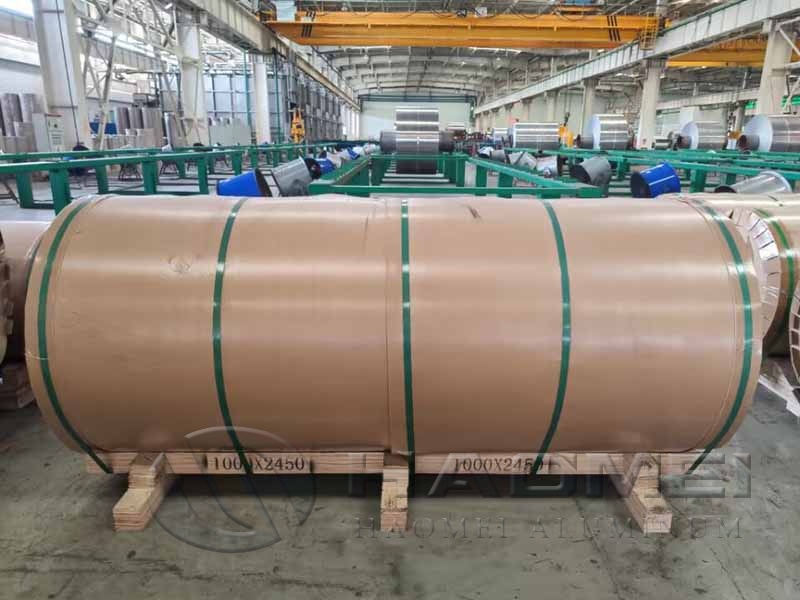
Packaging and handling: export packing, anti-moisture protection, edge protection, and palletization can add days but reduce damage risk.
Lead time planning table
| Order type | Usual risk level | What to do |
|---|---|---|
| Standard size, standard temper | Lower | Confirm stock vs mill rolling |
| Wide plate, tight flatness | Medium to high | Ask for flatness target and packaging plan |
| Third-party inspection | Medium | Lock inspection date early |
| Mixed lots, multiple thicknesses | Medium | Request a consolidated production schedule |
What to ask an Aluminium Tanker Plate Supplier before you place the PO
These questions appear often because they quickly separate "traders" from suppliers who can support fabrication outcomes:
Can you provide EN 10204 3.1 certificates with full heat traceability?
What is your standard thickness tolerance and what can you guarantee if we specify a tighter range?
How do you control flatness for rolling into tanker shells?
What is your recommended alloy for our cargo and cleaning procedure, and why?
How will plates be protected during transport to prevent edge damage and moisture staining?
If you ask these early, you reduce the risk of delays, rework, and inspection failures, while keeping the order specification focused on what actually impacts tanker performance.