
Aluminum 5754 H22 is frequently discussed by tanker body fabricators because it combines moderate strength, excellent corrosion resistance, low weight, and practical forming behavior. It belongs to the Al-Mg alloy family and is commonly considered for tanker shells, compartment structures, bulkheads, protective panels, and other fabricated truck components exposed to moisture, road salt, and petroleum-related environments.
The following questions reflect recent English-language discussion patterns around aluminum tanker plate selection. The answers focus on the material decisions that affect fabrication quality, operating durability, and purchase specifications.
1. What Are the Main Aluminum 5754 H22 Properties for Tanker Plates?
5754 aluminum is a non-heat-treatable aluminum-magnesium alloy. Its strength is developed primarily by cold working rather than by solution heat treatment. The H22 temper means the plate has been strain hardened and then partially annealed, producing a useful balance between strength and workability.
For tanker manufacturing, this balance matters. Plate that is too soft may dent easily during transport or service. Plate that is too hard can create cracking risks during forming, rolling, flanging, or fabrication around manholes and reinforcement areas. H22 sits in a practical middle range for many structural and semi-structural tanker applications.
| Property | Typical Relevance for Tanker Manufacturing |
|---|---|
| Alloy family | Al-Mg, non-heat-treatable aluminum alloy |
| Temper | H22, strain hardened and partially annealed |
| Corrosion resistance | Strong resistance in wet, marine, and road-salt conditions |
| Formability | Better than harder tempers, suitable for bending and shaping |
| Weldability | Good with appropriate aluminum welding procedures |
| Density | About 2.66 g/cm3, significantly lighter than steel |
| Surface finish | Available in mill finish and other specified surface conditions |
Mechanical values vary with thickness, mill process, testing direction, and applicable standard. For this reason, a tanker plate order should specify thickness, width, length, temper, testing standard, and required mechanical-property range rather than relying on a general datasheet only.
2. Is Aluminum 5754 H22 Strong Enough for an Aluminum Tank Truck?
This question usually depends on which tanker component is being designed. Aluminum 5754 H22 can be suitable for parts requiring corrosion resistance and moderate strength, including external panels, selected tank sections, bulkhead-related components, equipment enclosures, walkway-supporting structures, and fabricated truck body elements.
However, the tank shell is a pressure-bearing structure. The correct alloy and thickness must be selected according to the transported medium, tanker capacity, shell geometry, internal pressure or vacuum conditions, local transport rules, weld-joint efficiency, and fatigue requirements. A thicker 5754 H22 plate is not automatically interchangeable with a thinner, higher-strength alloy.
In many tanker designs, fabricators compare 5754 with 5454 and 5083. Where higher strength, more demanding pressure performance, or specific tanker-duty experience is needed, 5454 aluminum plate may be evaluated alongside 5754. For highly demanding structural service, 5083 aluminum plate is also often considered because of its higher strength level in common tempers.
The engineering question is not simply, "Is 5754 H22 strong enough?" It is, "Is the alloy-temper-thickness combination adequate after welding, forming, service loading, and corrosion exposure?" That distinction helps prevent over-specifying a material that is difficult to form or under-specifying a plate that lacks sufficient design margin.
3. Does Aluminum 5754 H22 Have Good Corrosion Resistance for Fuel Tankers?
Yes, 5754 H22 is valued for good atmospheric and marine corrosion resistance. Its magnesium content contributes to its performance in humid outdoor environments, road splash, de-icing salts, and general industrial exposure. This makes it relevant to tank trucks that spend years in variable weather conditions.
For fuel and chemical tanker applications, corrosion resistance must still be considered in relation to the actual cargo. Aluminum alloys are not universally suitable for every chemical. Certain strongly alkaline materials, acidic compounds, chlorides at elevated temperatures, or reactive cargoes can require a different alloy, special lining, or an alternative tank material.
External corrosion performance is also affected by fabrication quality. Poorly cleaned weld areas, trapped moisture under fittings, abrasive contamination from carbon steel tools, and damaged protective surfaces can shorten service life. Fabricators should use aluminum-dedicated brushes, clean handling practices, compatible fasteners, and drainage-friendly structural details.
4. Can 5754 H22 Aluminum Plate Be Welded and Bent Without Cracking?
5754 H22 has good weldability and generally workable forming characteristics. It is commonly processed using MIG or TIG welding methods with filler metal selected according to joint design, service condition, and applicable welding procedure qualification. The heat-affected zone near a weld can soften because the alloy is strain hardened rather than heat treated. Designers should account for this local strength reduction when calculating load capacity.
For bending and rolling, the minimum bend radius should be matched to plate thickness, grain direction, surface condition, and forming method. Tight bends across the rolling direction can increase the chance of edge cracking, especially if the plate has surface damage or a very small bend radius. A production trial on the actual plate thickness is preferable before committing to large-scale fabrication.
Tank fabrication also requires attention to weld sequencing. Excessive heat input can increase distortion in wide aluminum panels. Controlled weld parameters, suitable fixturing, balanced welding sequences, and correct joint preparation help maintain tank roundness and dimensional consistency.
5. What Should Be Specified When Purchasing Aluminum 5754 H22 Tanker Plate?
A complete purchase specification reduces variation between quoted material and fabrication-ready plate. State the alloy as 5754, the temper as H22, and the target product form as plate or sheet. Include thickness tolerance, width, length, applicable standard, mechanical property requirements, surface condition, flatness expectations, ultrasonic inspection requirements if needed, and packaging requirements.
For wide tanker shell material, width availability can affect weld count and fabrication efficiency. A wider plate may reduce longitudinal seams, but transport limits, rolling equipment, and handling capacity also need review. Surface quality is equally important where plate will be polished, coated, or used in visible exterior truck areas.
Ask the supplier for the mill test certificate and confirm the chemical composition, tensile strength, yield strength, elongation, dimensions, and heat or batch traceability. If the plate will be used in regulated liquid transport equipment, verify that the documentation aligns with the required vehicle, pressure-vessel, or regional transport standards.
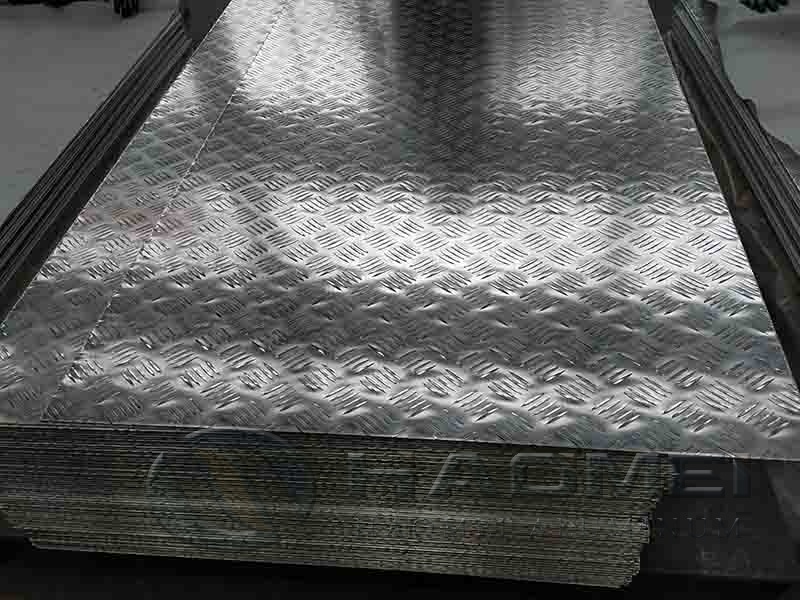
For truck-mounted equipment beyond the tank shell, 5754 H22 can also be considered for non-slip panels, access covers, fabricated guards, and selected protective structures. The final material choice should reflect the part's loading direction, welding exposure, forming radius, expected corrosive environment, and required service life.