
5182 aluminum is an Al-Mg alloy valued for corrosion resistance, weldability, and forming performance. In the tank truck and special vehicle industry, it is often discussed together with 5083, 5454, and 5754 aluminum because these alloys can reduce vehicle weight while maintaining practical strength. For bulk purchasing teams, the main task is not only to ask for a low price, but also to match alloy, temper, thickness, surface quality, certification, and delivery stability with the real service condition of the vehicle.
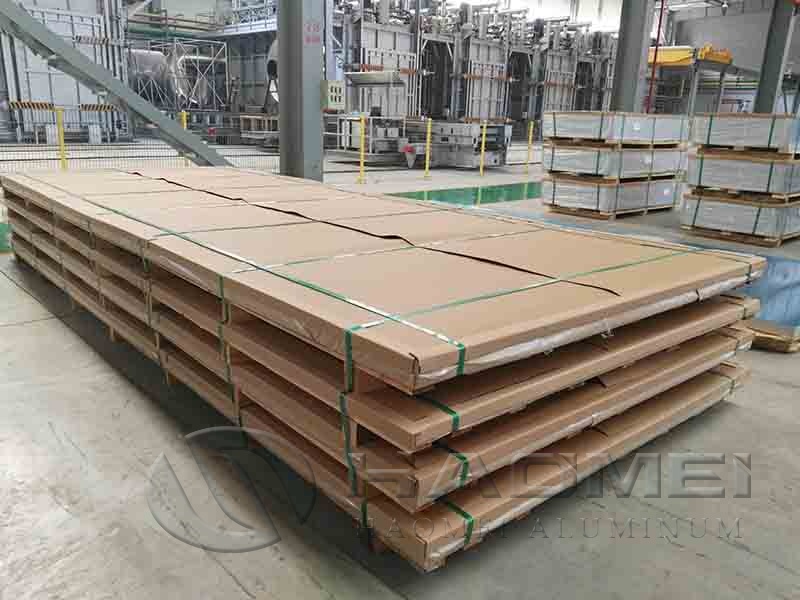
What 5182 Aluminum Means for Tank Trucks
5182 aluminum belongs to the 5xxx series, which uses magnesium as the main alloying element. According to common alloy standards such as EN 573 and ASTM B209, 5182 has higher magnesium content than many general-purpose aluminum sheets. This gives it good resistance to atmospheric corrosion and many neutral liquids, plus reliable weldability under proper welding procedures.
In tank truck manufacturing, 5182 is usually considered for parts that need both strength and formability, such as heads, baffles, partitions, or special formed components. Some projects may also evaluate 5182 sheet for tank bodies, but final use should follow the design code, medium type, local regulation, and the vehicle maker's engineering approval.
The alloy is non-heat-treatable. Its strength comes mainly from strain hardening, so temper selection matters. Soft or partially hardened tempers are easier to bend and roll, while harder tempers offer higher strength but may require larger bending radii and closer process control.
| Item | Practical Meaning for Tank Truck Fabrication |
|---|---|
| Alloy family | 5xxx Al-Mg, non-heat-treatable aluminum |
| Main advantages | Corrosion resistance, weldability, good forming ability |
| Common concerns | Temper matching, bending radius, welding distortion, certificate accuracy |
| Typical purchasing documents | Mill test certificate, chemical composition, mechanical properties, size tolerance report |
| Relevant sheet standards | ASTM B209, EN 485, EN 573, GB/T 3880, depending on region |
A professional supplier should be able to provide a stable 5182 aluminum plate with consistent thickness tolerance, clean surface, and traceable heat numbers. For tank truck factories, traceability is especially important because one defective batch can affect welding, forming, inspection, and final vehicle acceptance.
5182 vs. 5083, 5454, and 5754 Aluminum
There is no single alloy that fits every tank truck. Fuel tankers, chemical tankers, dry bulk vehicles, and sanitation or special-purpose vehicles face different loads and corrosion environments. 5182 performs well in many formed structures, but 5083 is often selected where higher strength and marine-grade corrosion resistance are required. 5454 is widely used in applications needing good corrosion resistance and better behavior at moderately elevated temperatures, such as some petroleum transport scenarios. 5754 is often used where formability and moderate strength are preferred.
| Alloy | Common Strength | Formability | Typical Tank Truck Relevance |
|---|---|---|---|
| 5182 | Medium to high for 5xxx sheet | Good | Heads, baffles, formed parts, selected tank structures |
| 5083 | High | Medium | Main tank shells, pressure-sensitive structures, fuel or bulk transport projects |
| 5454 | Medium | Good | Tank bodies for petroleum-related service and some heat-influenced environments |
| 5754 | Medium | Very good | General tank parts, covers, floors, special vehicle panels |
For main tank shells, many manufacturers still compare 5182 with 5083 aluminum plate because 5083 has a strong record in welded structures. However, when the part requires deep forming, spinning, or complex bending, 5182 can be attractive if the design strength and corrosion requirements are satisfied.
When comparing quotations, avoid judging by alloy name alone. A 5182 sheet in the wrong temper can crack during forming, while a well-controlled batch may improve production yield. Likewise, a cheaper 5083 or 5454 sheet with poor flatness or unstable width tolerance can increase cutting waste and welding rework.
How to Purchase 5182 Aluminum Plates for Tankers and Special Vehicles
Start with the vehicle application. A tanker for diesel fuel has different requirements from a chemical tank, food-grade liquid tank, or dry bulk semi-trailer. The medium, cleaning method, working temperature, road condition, tank diameter, and welding method all influence sheet selection. If the transported product is corrosive or regulated as dangerous goods, confirm requirements with the vehicle designer and applicable standards before placing an order.
Next, specify alloy, temper, thickness, width, length, and tolerance clearly. Tank truck sheets are commonly ordered in wide plates or coils to reduce weld seams. For large-volume purchasing, width capability and coil weight can affect production efficiency. Wider material may reduce longitudinal welds, but only if the supplier's rolling mill can maintain flatness, surface quality, and edge condition.
| Purchasing Checkpoint | What to Confirm Before Ordering |
|---|---|
| Alloy and temper | Match drawing, forming route, and welding procedure |
| Thickness tolerance | Confirm according to ASTM, EN, GB/T, or project agreement |
| Surface condition | No oil stain, heavy scratch, corrosion, edge crack, or rolling defect affecting use |
| Flatness | Important for automatic cutting, rolling, and welding fit-up |
| Certification | Heat number, chemical composition, tensile data, elongation, and standard reference |
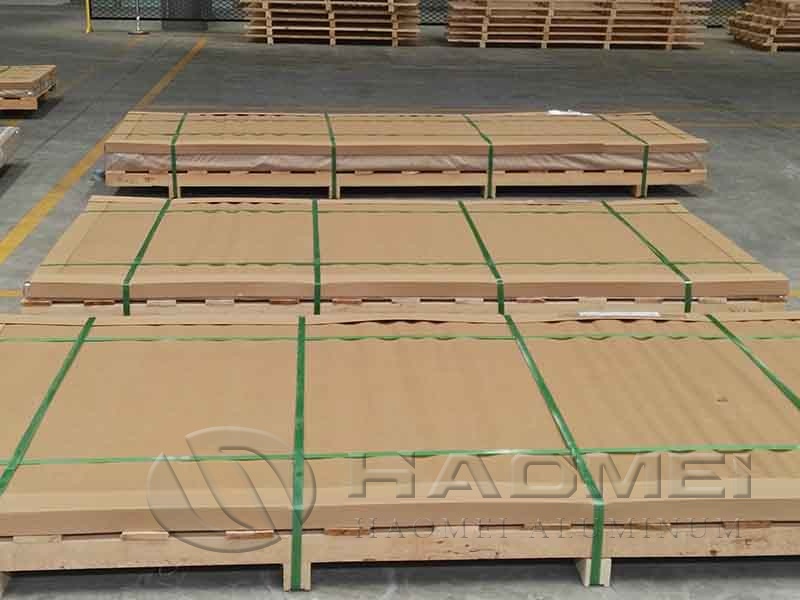
| Packaging | Moisture-proof wrapping, wooden pallets, corner protection, export seaworthy packing if needed |
| Delivery plan | Rolling schedule, inspection time, shipping route, and buffer stock arrangement |
Price is influenced by the LME aluminum price, regional premium, magnesium cost, rolling fee, thickness, width, temper, order volume, and delivery urgency. During strong market cycles, mills may extend lead times, especially for wide sheets and certified tanker material. During slower cycles, spot material may be available, but purchasing teams should still check whether the stock matches the required standard and temper rather than accepting substitute material too quickly.
For welding, most 5xxx tanker sheets are suitable for MIG or TIG welding when correct filler wire, edge preparation, and heat input are used. The welded zone will not gain strength by heat treatment after welding, so design calculations and fabrication procedures must consider the as-welded condition. Ask the supplier for typical mechanical data, but use certified values from the actual batch for acceptance.
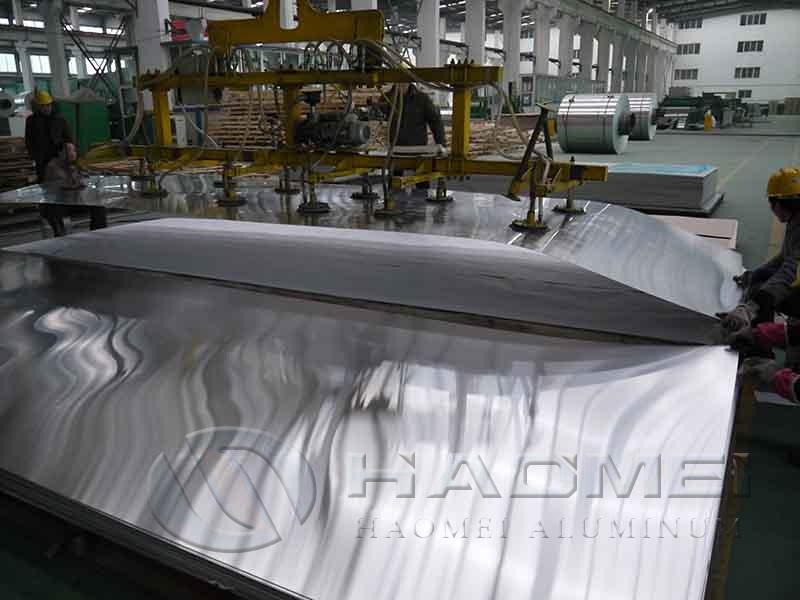
Packaging and storage also deserve attention. Aluminum plates should be protected from rain, seawater, condensation, and alkaline contamination. After arrival, keep the material in a dry warehouse and allow temperature equalization before opening the package if it has been transported in cold weather. This helps reduce condensation marks, which can affect appearance and downstream processing.
A reliable 5182 aluminum supplier should understand tanker fabrication, not just metal trading. Useful support includes tolerance discussion, forming feedback, welding-related experience, batch traceability, and stable after-sales communication. For long-term orders, it is wise to set agreed inspection rules, sample approval, packaging standards, and claim handling procedures before the first mass shipment.