
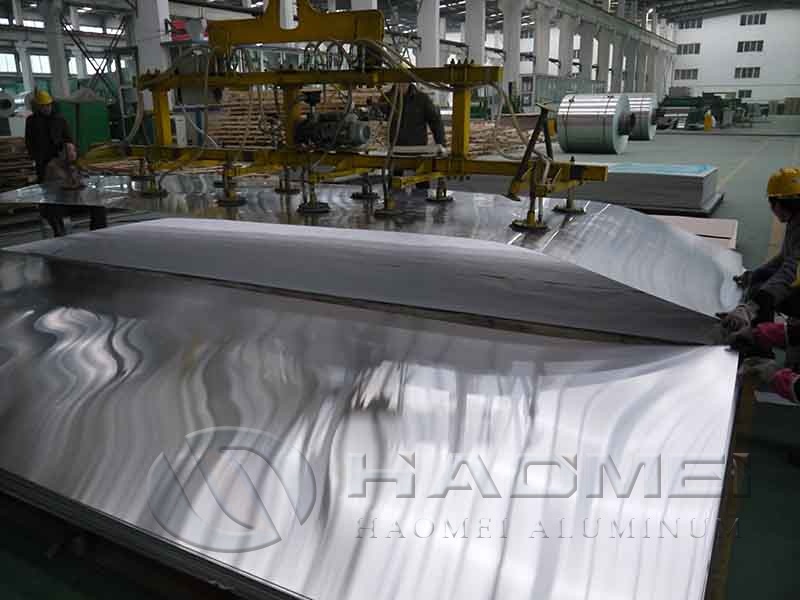
Tank truck manufacturers need plate that performs consistently through forming, welding, road vibration, and long-term service. For fuel, chemical, and special-vehicle tanks, 5454 aluminum is widely specified because it combines good corrosion resistance, practical weldability, and strength suitable for many tank-body applications.
Selecting among 5454 aluminum plate suppliers is not only a price comparison. The delivered material must match the approved design, fabrication route, applicable transport regulations, and documentation requirements. A low quoted price can become expensive when plate thickness varies excessively, certificates do not match the shipment, or surface quality creates avoidable welding and forming issues.
Why 5454 Aluminum Is Used in Tank Trucks
5454 is an aluminum-magnesium alloy in the 5xxx series. It is commonly supplied in strain-hardened tempers such as H32, H34, and H111, depending on required strength, forming method, and tank design. Its resistance to general atmospheric corrosion and many industrial environments makes it a practical material for transport equipment.
For tanker shell fabrication, the alloy is valued for stable welding behavior with conventional aluminum welding processes. Welding reduces strength in the heat-affected zone, so tank designers must account for the as-welded condition rather than relying only on the parent-metal temper values. Plate selection should therefore be coordinated with the tank design drawing, welding procedure specification, and regulatory design calculations.
The following table shows common areas where 5454 sheet or plate may be used in aluminum transport equipment. Actual alloy and thickness selection must follow the vehicle manufacturer's approved design.
| Vehicle component | Typical material concern | Purchasing focus |
|---|---|---|
| Tank shell | Weldability, corrosion resistance, strength | Consistent temper, thickness tolerance, clean surface |
| Tank heads | Stretch forming and weld performance | Formability, grain structure, edge quality |
| Internal baffles | Stiffness and welding compatibility | Flatness, cut-edge condition, certificate traceability |
| Compartments and bulkheads | Fatigue loading and liquid surge control | Design thickness, dimensional consistency |
| Toolboxes and non-pressure parts | Appearance and corrosion resistance | Surface finish and protective packaging |
Not every tanker part requires 5454. In some designs, 5083 aluminum plate may be considered where higher strength is needed. The final selection depends on the cargo, pressure classification, design code, welding arrangement, and local transport rules.
What to Request From 5454 Aluminum Plate Suppliers
A clear purchase specification prevents disputes before production begins. Start with alloy, temper, dimensions, quantity, and delivery condition. Then add the quality controls that matter to tank fabrication.
| Item to specify | What to state in the purchase order | Why it matters |
|---|---|---|
| Alloy and temper | 5454-H32, 5454-H34, or other approved temper | Determines strength and forming response |
| Thickness | Nominal thickness and agreed tolerance | Supports tank weight and structural calculations |
| Width and length | Exact cut size or mill size | Reduces trimming loss and handling time |
| Standard | ASTM B209, EN 485, or another agreed material standard | Defines applicable dimensional and material requirements |
| Certification | Mill test certificate linked to each lot | Supports traceability and incoming inspection |
| Surface condition | Mill finish, free of oil, stains, deep scratches, or laminations | Helps welding, forming, and visual quality |
| Packaging | Paper interleaving, moisture protection, skid method | Limits transit damage and oxidation staining |
Material test certificates should identify the alloy, temper, heat or lot number, dimensions, chemical composition, and mechanical test results where applicable. Match the certificate heat number with markings on the plate or bundle before cutting begins. For critical orders, it is reasonable to agree on independent inspection, ultrasonic testing requirements if needed by the design, and a retained sample policy before shipment.
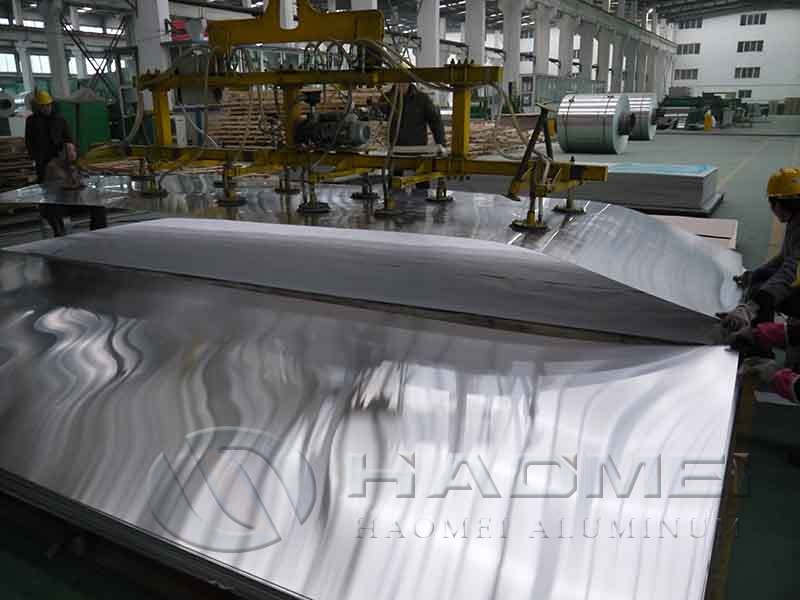
5454 aluminum plate is often available in standard mill dimensions, but tank fabricators may reduce waste by ordering widths and lengths suited to shell development. Confirm maximum plate size, rolling direction, flatness expectations, and whether the supplier can provide cut-to-length material without damaging edges.
Comparing Suppliers, Cost, and Delivery Risk
The quoted metal price is only one part of the landed cost. A reliable source should explain the basis of its quote, including alloy surcharge, conversion cost, cutting charges, packing, freight terms, and lead time. Aluminum prices can move with primary metal market conditions, regional premiums, energy costs, and rolling-mill capacity. Request a quotation validity period and define how price changes are handled for longer production schedules.
Evaluate suppliers using practical evidence rather than broad claims. Useful checks include recent mill certificates, photos of packing, references from transport-equipment fabricators, inspection records, and an explanation of how nonconforming material is handled. A supplier that understands tank manufacturing should be able to discuss plate direction, welding cleanliness, thickness control, and delivery sequencing for production batches.
For imported plate, confirm the country of origin, tariff classification, customs documentation, and any trade measures that may affect the transaction. Delivery terms should identify who carries risk at each stage, while packaging should protect the plate from salt spray, rain, condensation, forklift damage, and movement during transport.
Incoming inspection should occur before material is released to production. Measure thickness at multiple points, inspect surfaces under adequate lighting, verify dimensions and flatness, review certificates, and retain lot identity through cutting and assembly. If plate is stored for an extended period, keep it dry, ventilated, and separated from standing water or dissimilar metals that can contribute to corrosion issues.
Tank trucks may be subject to regulations such as ADR requirements in Europe or DOT requirements in the United States, depending on the vehicle and cargo. These rules apply to the completed tank system and its approved design. The plate supplier provides material evidence, while the tank manufacturer remains responsible for ensuring that the completed vehicle meets the applicable design, fabrication, testing, and transport requirements.