
Aluminum alloy tank trucks are widely used for fuel, chemical, food-grade liquid, and special-purpose transport because they help reduce vehicle weight while maintaining reliable structural performance. Among common Al-Mg alloys, 5754 aluminum sheet for tank truck applications is valued for corrosion resistance, formability, weldability, and stable performance in road transport environments.
For purchasing teams, the question is not only whether 5754 is suitable, but also how to specify thickness, temper, surface quality, certification, and supplier capability. A correct purchase plan can reduce welding defects, forming cracks, rework, and delivery risk.
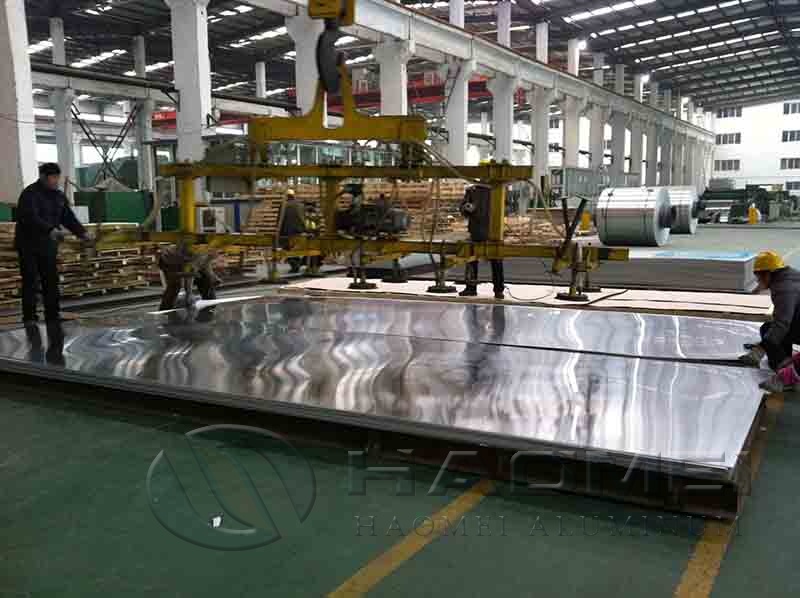
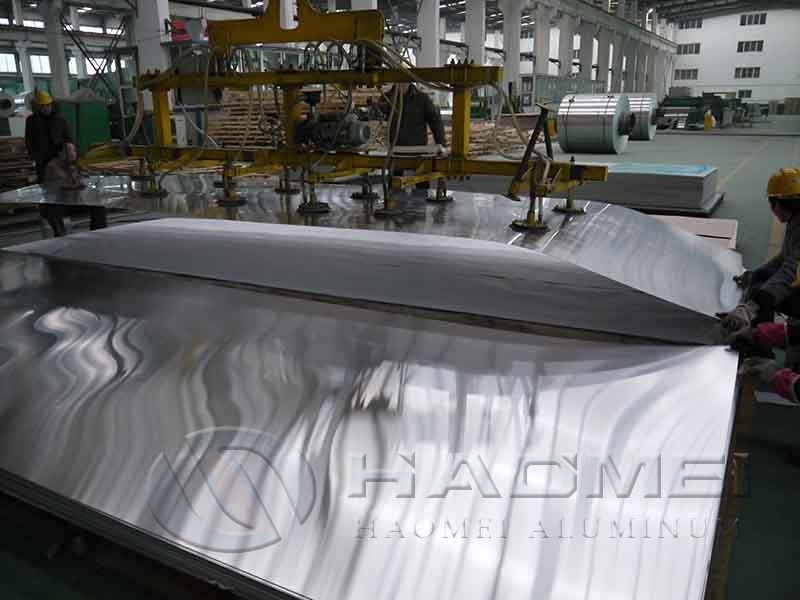
Why 5754 Aluminum Sheet Is Used in Tank Truck Manufacturing
5754 is a non-heat-treatable aluminum-magnesium alloy. Its strength mainly comes from magnesium solid-solution strengthening and work hardening. Compared with carbon steel, it offers a much lower density, which helps increase payload under legal axle-load limits. Compared with some higher-strength aluminum alloys, it is easier to form and weld, which is important for curved tank shells, heads, partitions, and special vehicle components.
In tank truck production, 5754 aluminum sheet is often selected for fuel tankers, service vehicles, water tanks, and components requiring good corrosion resistance and moderate strength. It is also used for baffles, side protection, platforms, toolboxes, and structural panels on special vehicles. For more demanding tanker bodies, especially where higher strength is required, purchasers may compare it with 5083 aluminum plate. For balanced forming and corrosion performance, 5754 aluminum plate remains a practical option.
The alloy performs well in many atmospheric and road-salt environments because magnesium-containing aluminum alloys naturally form a protective oxide film. However, compatibility with transported media must always be checked by the tank designer, cargo regulation, and applicable safety standard. Aluminum is not suitable for every chemical cargo.
| Item | 5754 Aluminum Sheet Performance in Tank Truck Use |
|---|---|
| Alloy family | 5xxx Al-Mg alloy, non-heat-treatable |
| Main advantages | Corrosion resistance, weldability, formability, moderate strength |
| Typical tempers | O, H111, H22, H32, depending on forming and strength needs |
| Common uses | Tank shells, baffles, partitions, vehicle panels, auxiliary structures |
| Processing methods | Rolling, cutting, bending, roll forming, MIG/TIG welding |
| Important checks | Mill certificate, thickness tolerance, surface defects, flatness, traceability |
5754 is not simply a lighter substitute for steel. Its design requires consideration of stiffness, weld layout, fatigue behavior, and forming radius. A tank made from aluminum may need different plate thickness, reinforcing structure, and welding procedure than a steel tank with the same volume.
How 5754 Compares With 5083 and 5454 for Tankers
Different tanker projects require different aluminum alloys. The selection depends on transported medium, tank volume, design pressure, welding process, operating temperature, and local regulations. 5754 is often chosen when formability and corrosion resistance are important and the strength requirement is moderate.
| Alloy | General Positioning | Typical Tank Truck Relevance |
|---|---|---|
| 5754 | Good formability and corrosion resistance, moderate strength | Suitable for many road tanker and special vehicle components |
| 5083 | Higher strength Al-Mg alloy with excellent marine corrosion resistance | Often used for tank shells and heavy-duty tanker structures |
| 5454 | Good corrosion resistance and better high-temperature stability than some 5xxx alloys | Used in tankers where service temperature and chemical resistance are considered |
| 5182 | Good formability and weldability | Used for formed parts, baffles, heads, and vehicle components in some designs |
Typical mechanical property ranges depend on thickness, temper, and governing standard. For example, EN 485 and ASTM B209 are widely referenced for aluminum sheet and plate requirements, while chemical composition is commonly controlled under EN 573 or ASTM alloy designations. Actual acceptance values should be confirmed on the mill test certificate rather than assumed from a catalog.
For tank truck fabrication, temper selection is especially important. O temper has excellent formability but lower strength. H111 is lightly strain-hardened and suitable for forming with better mechanical performance than fully annealed material. H22 and H32 offer higher strength, but bending and forming conditions must be controlled. If the sheet is too hard for the forming process, cracks may appear at dished heads, rolled shells, or tight bends.
Welding is another major factor. 5754 has good weldability by MIG and TIG methods, but welding procedure qualification, filler wire selection, cleaning, heat input, and distortion control still matter. The heat-affected zone may lose some work-hardened strength, so tank design should account for weld seam location and post-weld performance.
Purchase Points for Tank Truck Aluminum Sheet
A professional purchase specification should be more detailed than alloy and thickness. It should describe the intended application, standard, temper, dimension tolerance, surface requirement, packaging, test documents, and delivery plan. This helps the supplier recommend suitable production routing and reduces disputes after arrival.
| Purchase Item | What to Specify | Why It Matters |
|---|---|---|
| Alloy and temper | 5754-O, 5754-H111, 5754-H22, or 5754-H32 | Controls forming ability and strength |
| Thickness | Commonly selected according to tank design, volume, and code | Affects weight, stiffness, welding, and fatigue life |
| Width and length | Match shell rolling, head forming, and cutting plan | Reduces scrap and welding seams |
| Standard | ASTM B209, EN 485, EN 573, or agreed technical condition | Defines tolerance, chemistry, and inspection basis |
| Surface | Oil-free, clean, no cracks, severe scratches, corrosion, or lamination | Improves welding quality and appearance |
| Documents | Mill test certificate, heat number, chemical and mechanical results | Supports traceability and compliance |
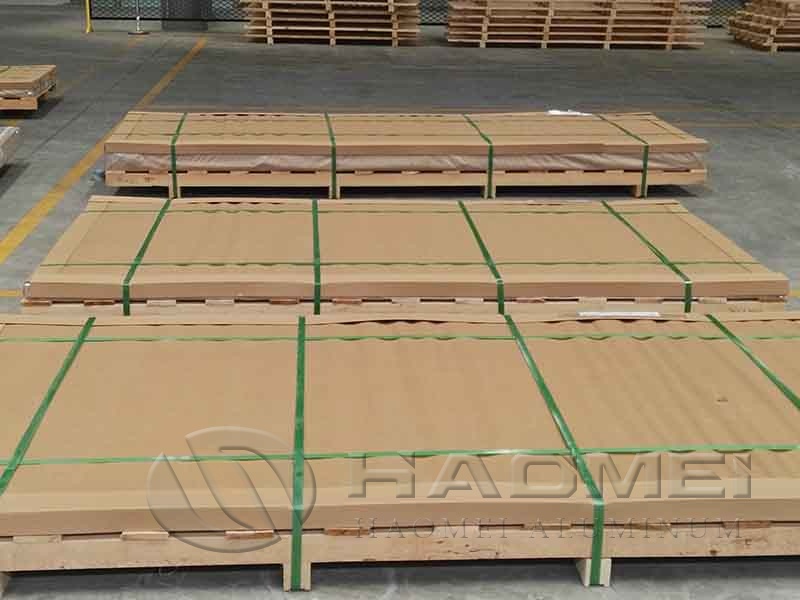
| Packaging | Moisture-proof paper, wooden pallet, edge protection | Prevents water stain and transit damage |
Thickness is one of the most sensitive cost and performance factors. A thinner sheet can reduce vehicle weight, but it may increase deformation, vibration, and fatigue risk. A thicker sheet improves stiffness but raises material cost and vehicle mass. Tank designers usually determine thickness according to compartment layout, baffle distance, shell curvature, load conditions, and applicable transport rules.
Surface quality is also critical. Deep scratches, black lines, dents, edge cracks, and oil contamination can affect forming and welding. For visible special vehicle panels, appearance requirements may be stricter. For shell plates and baffles, internal defects and dimensional stability matter more than cosmetic appearance.
When evaluating suppliers, purchasers should check rolling capability, inventory range, cutting service, export packaging, and experience with tank truck materials. Stable supply is important because tanker factories usually run batch production. If plates from different heats or suppliers are mixed without control, welding behavior, color after oxidation, and forming response may vary.
Cost should be analyzed beyond the quoted price per ton. Freight, cutting yield, minimum order quantity, payment terms, delivery time, packaging, certificate completeness, and claims handling all influence the real project cost. In a rising aluminum market, early locking of quantity and delivery schedule may protect production plans. In a weak market, inventory pressure can create negotiation opportunities, but quality verification should not be relaxed.
Before placing an order, prepare a written requirement sheet with alloy, temper, size, quantity, standard, application, inspection terms, and packaging. Ask for sample certificates or previous tank truck supply records when possible. For new suppliers, trial orders are useful for checking bending, rolling, welding, surface condition, and dimensional accuracy before mass production.