
Aluminium 5754 is a non-heat-treatable Al-Mg alloy widely used where corrosion resistance, moderate strength, good forming performance, and stable welding behavior are required. For tank truck manufacturers and fleet-equipment fabricators, it is often considered for non-pressure components, protective covers, walkways, side guards, tool boxes, and selected body structures.
When purchasing sheet or plate for tanker and special-vehicle production, the alloy name alone is not enough. Thickness tolerance, temper, surface condition, flatness, chemical composition, mechanical properties, and mill documentation can all affect fabrication efficiency and service life. Understanding aluminium 5754 properties helps procurement teams match material to the actual working environment instead of selecting by price alone.
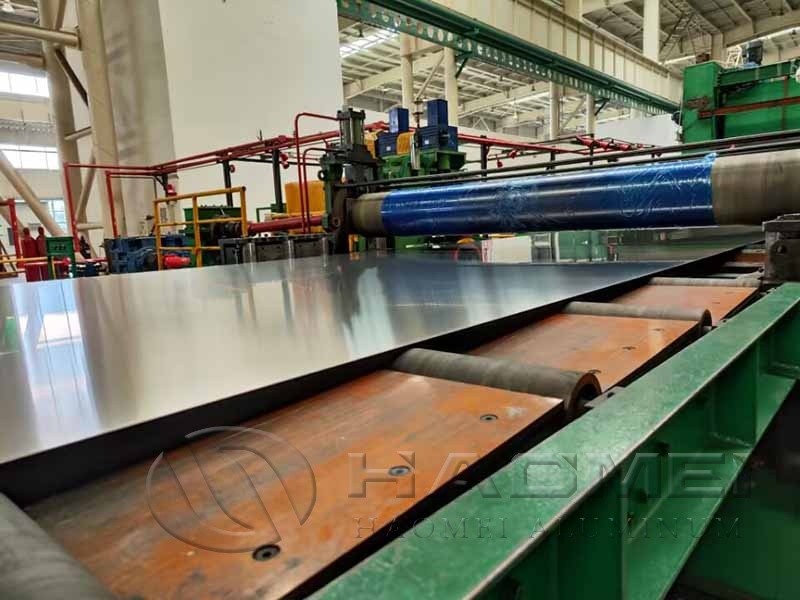
Aluminium 5754 Properties and Typical Tank Truck Uses
5754 belongs to the 5xxx series of aluminum-magnesium alloys. It is recognized for good resistance to general atmospheric corrosion and marine-type environments. This makes it useful on vehicles exposed to rain, road spray, de-icing salts, humidity, and frequent washing.
The alloy is not normally selected for the most demanding pressure-tank shell applications. Tank shells carrying petroleum products, chemicals, or other regulated media often require a grade and design approved for the specific cargo, welding procedure, transport regulation, and operating pressure. However, 5754 can be an effective option for many supporting vehicle parts where corrosion resistance and formability matter more than maximum strength.
| Property | Typical Purchasing Consideration for 5754 | Relevance to Tank Truck Fabrication |
|---|---|---|
| Alloy family | Al-Mg, non-heat-treatable | Suitable for welded and formed vehicle components |
| Corrosion resistance | Good in atmospheric and marine environments | Supports long service life in wet and salted-road conditions |
| Formability | Good, especially in softer tempers | Useful for bent panels, covers, guards, and shaped components |
| Weldability | Generally good with suitable filler and qualified procedures | Important for frames, enclosures, and fabricated accessories |
| Strength | Moderate, depending on temper and thickness | Must be verified against the part's structural design load |
| Surface | Mill finish, coated, or patterned surface options | Select according to appearance, slip resistance, and downstream processing |
Mechanical values vary by temper, thickness, and applicable product standard. A purchase order should therefore state the required specification rather than relying on general catalogue values. Common references may include EN 485 for sheet, strip, and plate mechanical properties, EN 573 for chemical composition, or ASTM standards when the project is governed by North American requirements.
For formed components, O temper may be appropriate when extensive bending or deep shaping is needed. H111, H22, H24, and H32 tempers are frequently considered where a balance of workability and strength is needed. The appropriate temper should be confirmed through forming trials, part geometry, welding sequence, and engineering requirements.
Selecting 5754 Sheet for Tankers and Special Vehicles
A practical material specification begins with the application. For example, a smooth side panel, a tread-pattern walkway, and a welded tool box may all use aluminum, but they do not necessarily need the same thickness, temper, or surface quality.
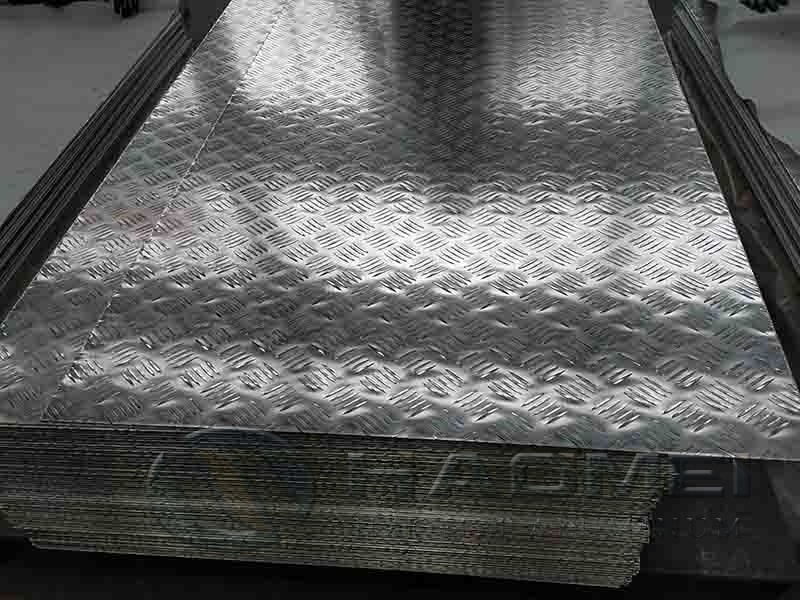
For anti-slip walking surfaces and access platforms, patterned sheet may provide improved traction. Smooth sheet is often preferred for exterior panels that need a clean visual finish or are intended for coating. Fabricators should also specify whether protective film is required, especially for visible body panels where scratches during cutting, stamping, or transport can increase reject rates.
Consider the following points when comparing quotations:
| Purchase Item | What to Specify | Why It Matters |
|---|---|---|
| Product form | Sheet, plate, coil, or tread plate | Determines processing suitability and freight efficiency |
| Thickness and tolerance | Nominal thickness plus permitted tolerance | Affects weight, fit-up, bending, and structural consistency |
| Width and length | Standard or cut-to-length dimensions | Reduces trimming loss and handling time |
| Temper | Such as O, H111, H22, H24, or H32 | Influences bending behavior and strength |
| Surface requirement | Mill finish, PVC film, tread pattern, or coating-ready finish | Helps control appearance and fabrication quality |
| Documentation | MTC or inspection certificate, standard, heat number | Supports traceability and incoming inspection |
| Inspection | Thickness, width, flatness, surface, chemistry, mechanical tests | Reduces risk before production begins |
If a project requires higher strength or a material with a different established history in tanker structures, compare the engineering requirements with 5454 aluminum plate. Grade selection should be based on the designed component, corrosive environment, cargo type, joining method, and applicable transport rules, not simply on a comparison of tensile strength.
For 5754, it is useful to request test certificates showing actual chemical composition and mechanical results for each production lot. Material traceability should remain visible from receiving inspection through cutting and fabrication. For regulated transport equipment, documentation retention may also be required by the vehicle builder's quality system or local regulatory framework.
Supply, Quality Control, and Cost Factors
The cost of 5754 sheet is influenced by aluminum market pricing, magnesium alloying costs, rolling capacity, thickness, dimensions, temper, finishing, packaging, and order volume. Freight can become significant for wide sheets and long cut lengths because aluminum is light but occupies substantial transport space.
Bulk purchasers can improve supply consistency by standardizing practical dimensions across vehicle models. Ordering common widths and thicknesses can reduce lead time and minimize offcut. At the same time, overly tight tolerances or unusually wide formats may narrow the available mill base and increase cost.
A reliable supplier should be able to confirm the production route, applicable standard, temper availability, packaging method, and inspection documents before shipment. For visible or formed parts, request representative samples or trial material from the intended production source. This is particularly important when changing suppliers, changing temper, or introducing a new forming process.
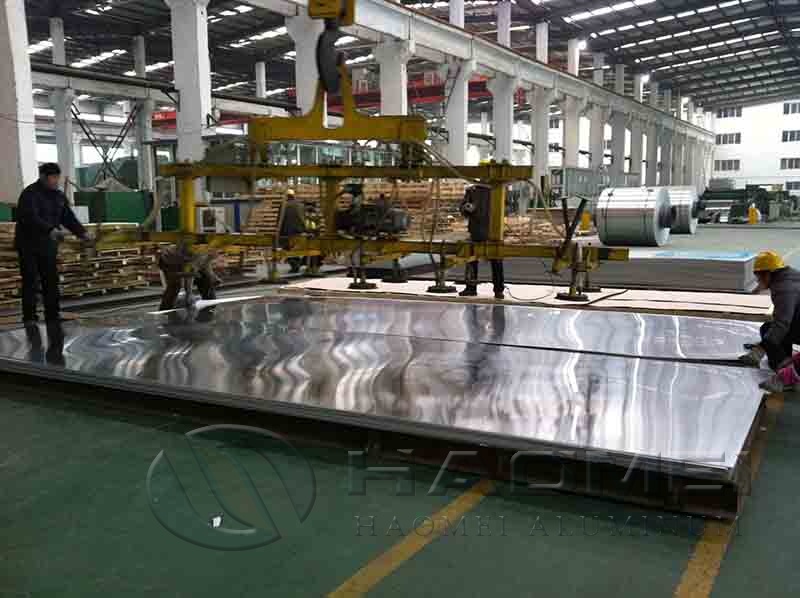
For projects involving truck-mounted tanks, do not assume that a general-purpose sheet grade is automatically suitable for the tank shell itself. Tank design is governed by cargo compatibility, structural calculations, welding qualification, fatigue performance, pressure conditions, and relevant road-transport standards. Use 5754 where its verified properties fit the component's function, and specify 5754 aluminum plate with clear dimensions, temper, certification, and inspection requirements for dependable production planning.