
Aluminium alloy 5454 is frequently discussed by tanker body fabricators because it combines useful corrosion resistance, stable forming behavior, and practical weldability. The following questions reflect recurring English-language tanker-material discussions on search and Q&A channels during recent months. They focus on decisions that affect aluminum tank truck safety, fabrication cost, and long-term service performance.
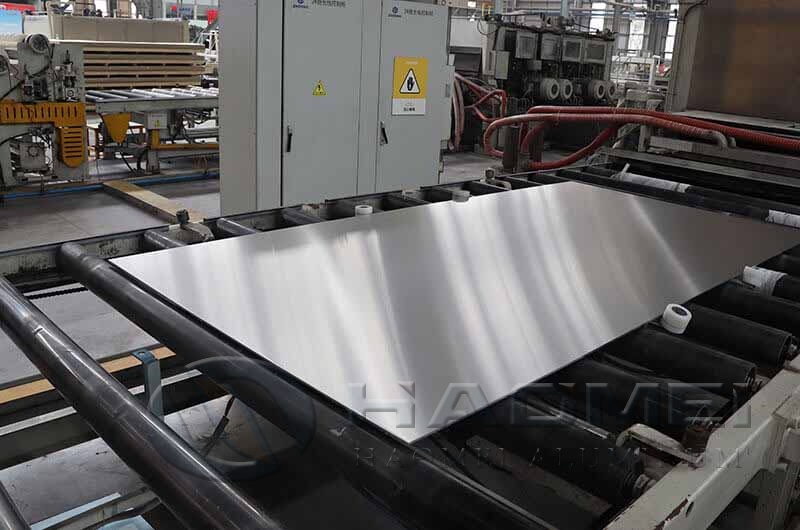
| Property | Aluminium Alloy 5454 | Why It Matters for Tankers |
|---|---|---|
| Alloy family | Al-Mg | Supports corrosion resistance in demanding transport environments. |
| Typical tempers | H32, H34, H111 | Temper selection affects forming, strength, and dent resistance. |
| Weldability | Excellent | Important for shell seams, bulkheads, and reinforcement welds. |
| Corrosion resistance | Very good | Suitable for many chemical, petroleum, and general liquid transport applications. |
| Formability | Good | Helps during rolling, dishing, and fabrication of tank components. |
1. Is aluminium alloy 5454 suitable for fuel tanker shells?
Yes, aluminium alloy 5454 can be suitable for fuel tanker shells when the tank design, cargo compatibility, plate temper, thickness, and applicable transport regulations are properly evaluated. It is an Al-Mg alloy with a lower magnesium level than high-strength 5xxx grades such as 5083. This composition gives 5454 good corrosion resistance and forming performance while maintaining a useful strength level for many tanker applications.
For a petroleum tanker, the shell material is only one part of the engineering decision. Fabricators also need to consider baffle arrangement, shell diameter, stiffener design, manhole reinforcement, mounting structure, weld-joint efficiency, and road vibration. A plate that looks adequate in a basic tensile-strength comparison may not be suitable if the completed tank has insufficient rigidity around openings or saddle areas.
For projects requiring a balanced combination of workability and tanker performance, 5454 aluminum plate is commonly evaluated for tank shells, tank ends, internal partitions, and related fabricated components. Material certificates should confirm the alloy, temper, thickness tolerance, mechanical properties, and relevant standard, such as ASTM B209 or EN 485 where required by the project.
2. What is the difference between 5454 and 5083 aluminum plate for tank trucks?
The most practical difference is strength. 5083 generally provides higher mechanical strength than 5454 in comparable tempers, which can make it attractive where designers seek higher structural capacity or potential weight reduction. However, 5454 may be preferred when forming demands are high or when its particular balance of strength, corrosion resistance, and fabrication behavior better matches the tank design.
| Comparison Item | 5454 Aluminum Alloy | 5083 Aluminum Alloy |
|---|---|---|
| Relative strength | Moderate | Higher |
| Forming behavior | Good for shaped components | Good, but higher strength can require more forming force |
| Typical tanker use | Shells, heads, bulkheads, fabricated parts | Higher-strength shells and structural tanker components |
| Welding | Excellent | Excellent |
| Design approach | Often selected for balanced performance | Often selected when strength is the leading requirement |
The correct choice is not simply a matter of selecting the stronger alloy. If a tanker has tight-radius formed heads, multiple internal baffles, or complex pressed components, 5454 may offer production advantages. If the engineering calculation requires greater allowable stress, 5083 aluminum plate may be more appropriate.
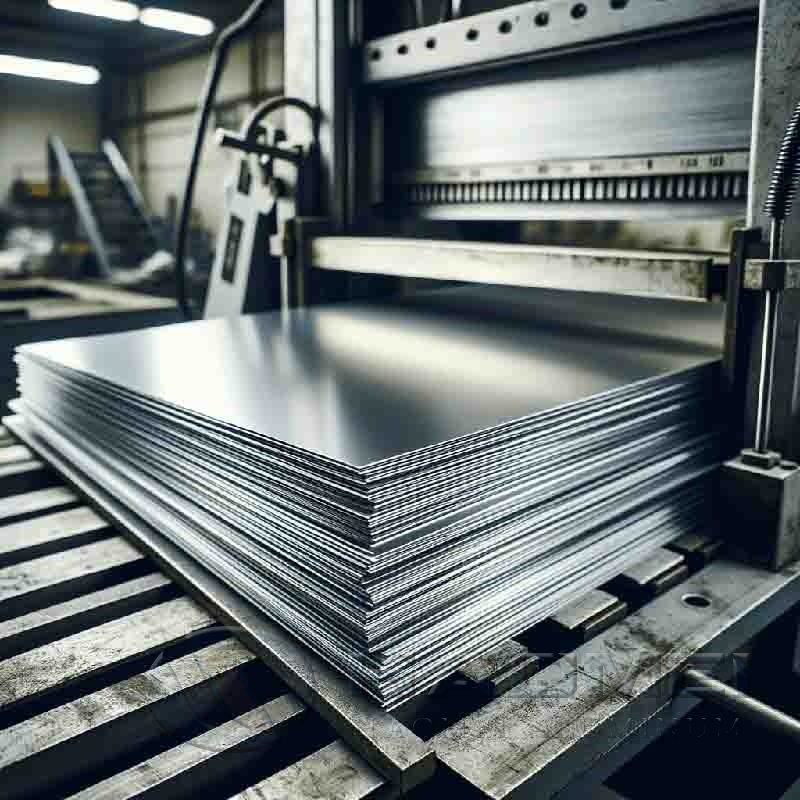
A qualified tank designer should calculate required thickness using the intended cargo density, tank geometry, internal pressure or vacuum conditions, road loading, and governing regulations. Replacing one alloy with another without recalculating the tank can create compliance and safety problems.
3. Which temper of 5454 aluminum is best for tanker plate?
H32 and H34 are common temper options for aluminum tanker plate, but the suitable temper depends on the component and fabrication route. H32 offers a useful balance between strength and formability. It is often considered for rolled shells and components that need moderate shaping. H34 provides higher strength, but it can be less forgiving during severe forming operations.
For highly formed tank heads or complicated press-formed parts, a softer temper may be considered before fabrication, followed by project-specific assessment of final mechanical requirements. For flat bulkhead blanks, reinforcing panels, or sections with limited deformation, a harder temper may be workable.
Ask the plate supplier to provide these details before production begins:
- Exact alloy and temper designation.
- Thickness, width, and length tolerances.
- Mill test certificate values for tensile strength and elongation.
- Surface condition, including protective film requirements.
- Grain direction and recommended bending orientation where forming is planned.
- Ultrasonic inspection or additional quality requirements for critical tank components.
The plate temper should be chosen with the complete fabrication sequence in mind. Rolling, bending, welding, straightening, and pressure testing can all affect the final result.
4. Can 5454 aluminum tanker plate be welded without losing corrosion resistance?
5454 aluminum has very good weldability when proper procedures are used. MIG welding is widely used for tanker shell seams and structural attachments because it provides efficient deposition rates for thicker plate. TIG welding can be valuable for thinner sections, root passes, repairs, and areas requiring more controlled heat input.
The heat-affected zone adjacent to a weld can experience some softening in strain-hardened tempers. This is normal for non-heat-treatable 5xxx alloys and must be considered during structural design. The designer should use appropriate allowable values for welded areas rather than assuming the full base-metal temper strength remains unchanged beside the weld.
Corrosion resistance depends greatly on fabrication discipline. Clean joint preparation, suitable filler-metal selection, controlled heat input, proper shielding gas coverage, and removal of iron contamination all support durable welds. Grinding tools used on carbon steel should not be used on aluminum tanker surfaces, because embedded contamination can encourage localized corrosion.
After welding, tanks intended for liquid service should undergo the specified leak testing, pressure testing, and inspection required by the transport standard and tank design. Weld appearance alone is not enough to verify seam integrity.
5. How do I choose the right 5454 plate thickness for an aluminum tank truck?
There is no universal thickness for a 5454 aluminum tanker shell. Thickness depends on cargo type, capacity, shell diameter, compartment layout, design pressure, expected vacuum conditions, support spacing, reinforcement design, and local legal requirements. A tanker carrying a dense liquid can require a substantially different shell calculation from a tanker carrying a lower-density product.
The shell must resist more than static liquid pressure. During braking, cornering, uneven-road travel, and partial-load operation, the tank experiences dynamic loads. Internal surge loads can be significant when baffles or bulkheads are not designed correctly. Areas around manholes, outlet connections, ladder supports, and chassis mounting points also require local reinforcement analysis.
A practical procurement specification for 5454 tanker plate should state the designed thickness rather than only a nominal target. It should also define the accepted negative thickness tolerance, plate flatness, edge condition, mechanical-property range, and inspection documents. This helps fabricators avoid unexpected differences between the calculated wall requirement and the actual minimum supplied thickness.
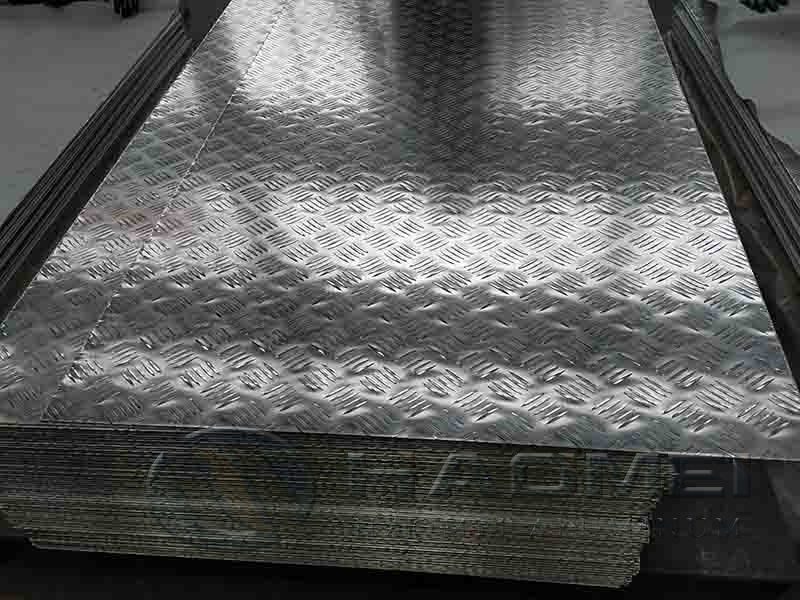
For tanker walkways, access platforms, and anti-slip surfaces, tread plate may be used separately from the shell plate. These components should be selected for slip resistance and structural support requirements, not as a substitute for engineered tanker shell material.