
An air reservoir is a compressed-air storage tank used in vehicle braking or auxiliary pneumatic systems. In tanker trucks and other special vehicles, it is separate from the cargo tank, but it has an equally important safety role. The reservoir must retain pressure, resist vibration, tolerate road spray, and work reliably through repeated charging and discharging cycles.
For procurement teams, selecting aluminum sheet for car air reservoir production requires more than choosing a corrosion-resistant alloy. The material must match the approved vessel design, forming route, welding procedure, and applicable vehicle regulations. Aluminum can reduce vehicle mass and improve corrosion resistance, but a sheet used for a tanker shell is not automatically suitable for a pressurized air tank.
Understand the Material Role Before Choosing an Alloy
Aluminum alloys are widely used in tank trucks because they offer a favorable strength-to-weight ratio and good resistance to atmospheric corrosion. For cargo tanks, bulkheads, toolboxes, walkways, and protective structures, 5xxx-series aluminum is common. For an air reservoir, however, the design engineer must assess pressure loading, fatigue life, weld performance, corrosion exposure, and the required inspection method.
The term "car air reservoir" can cover several products, from small auxiliary tanks to larger reservoirs on commercial vehicles. Material selection should therefore begin with the approved drawing and pressure-vessel calculation. The specified alloy, thickness, temper, seam design, and allowable working pressure should be stated before an order is released.
| Material factor | Why it matters for an air reservoir | What to request from the supplier |
|---|---|---|
| Alloy | Determines corrosion resistance, strength, and weld behavior | Alloy designation and chemical composition standard |
| Temper | Affects bendability, forming response, and final strength | Temper, hardness range, and mechanical-property report |
| Thickness tolerance | Influences pressure capacity and formed-part consistency | Nominal thickness, tolerance, and measurement method |
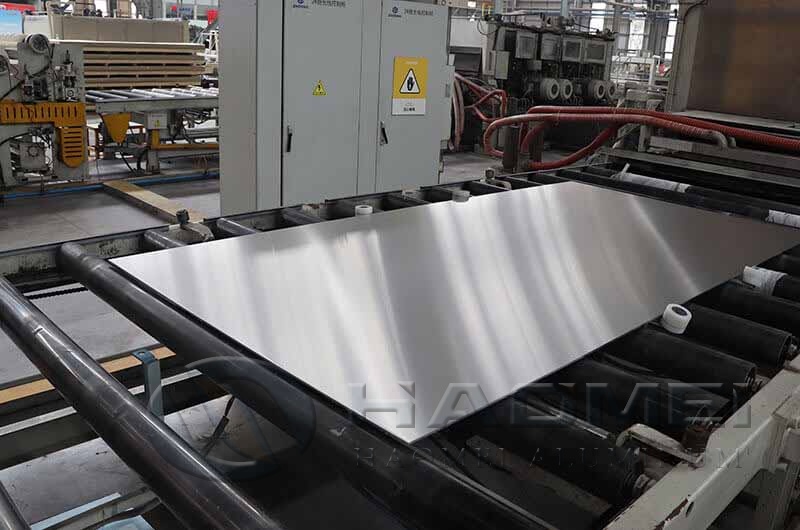
| Surface quality | Helps prevent forming defects and local corrosion sites | Surface class, protective film, and allowable imperfections |
| Traceability | Supports quality records for regulated vehicle parts | Heat number and EN 10204 3.1 material certificate |
For non-pressure tanker components, 5083 aluminum plate is often selected for its high strength and corrosion resistance in welded structures. It is commonly associated with tank truck shells and bulkheads. Yet its suitability for a specific air reservoir must be confirmed by the reservoir manufacturer and design authority, especially when cyclic pressure loading is involved.
5454 alloy may also be considered where formed tank components need a balance of strength, corrosion resistance, and workability. A qualified 5454 aluminum plate supplier should provide the alloy condition, dimensional tolerances, and inspection documentation required by the part specification.
Match Sheet Properties to Forming, Welding, and Service Conditions
Air reservoirs may be produced through rolling, deep drawing, spinning, pressing, or welded fabrication. Each route places different demands on the aluminum sheet. Tight-radius forming requires stable elongation and consistent temper. Welded designs require a qualified welding procedure that considers the heat-affected zone, where strength can differ from the base material.
For tanker and special-vehicle projects, do not specify an alloy only by name. The purchase specification should include the actual delivery condition. For example, the same alloy in different tempers can have substantially different forming behavior and mechanical properties. Thickness consistency across a coil or plate lot is also important because it affects formed geometry and pressure-wall calculations.
The external environment should also be defined. Road salt, moisture, cleaning chemicals, stone impact, and contact with steel brackets can accelerate corrosion. Aluminum components need suitable drainage, compatible fasteners, and isolation from dissimilar metals where galvanic corrosion may occur. Protective coatings may be used when the vehicle operating environment requires them, but coating should not replace sound material and joint design.
| Application area | Typical material priority | Procurement concern |
|---|---|---|
| Cargo tank shell | Weldability, corrosion resistance, low vehicle mass | Plate flatness, ultrasonic testing if specified, weld-quality consistency |
| Tanker bulkhead or baffle | Formability and structural strength | Stable temper and repeatable forming performance |
| Air reservoir shell | Pressure-fatigue performance and approved fabrication route | Engineer-approved alloy, thickness, welding qualification, testing records |
| Covers, guards, and steps | Corrosion resistance and appearance | Surface finish, tread pattern, and slip resistance where needed |
Standards and legal requirements must be checked by market and vehicle type. In the United States, air-brake system performance is addressed under FMVSS No. 121 for applicable vehicles. In other regions, national vehicle regulations and customer specifications may apply. Material standards such as ASTM B209 or EN 485 can define aluminum sheet and plate delivery requirements, but they do not by themselves approve a finished compressed-air reservoir. The finished reservoir may require pressure testing, leak testing, fatigue validation, marking, and production quality controls under the applicable regulatory framework.
Build a Purchase Specification That Reduces Production Risk
Reliable sourcing starts with a clear technical request for quotation. Give the supplier enough information to quote the correct product instead of a generic aluminum sheet. For recurring tanker programs, approve a sample coil or plate lot before mass production, then compare the formed and welded result with the approved part standard.
A practical request should state:
- Product form, such as sheet, plate, coil, or cut-to-length blank.
- Alloy and temper required by the approved part drawing.
- Thickness, width, length, flatness, and edge condition.
- Surface requirements, including mill finish, protective film, or acceptable scratch limits.
- Mechanical-property requirements and applicable material standard.
- Required documentation, including heat traceability and inspection certificates.
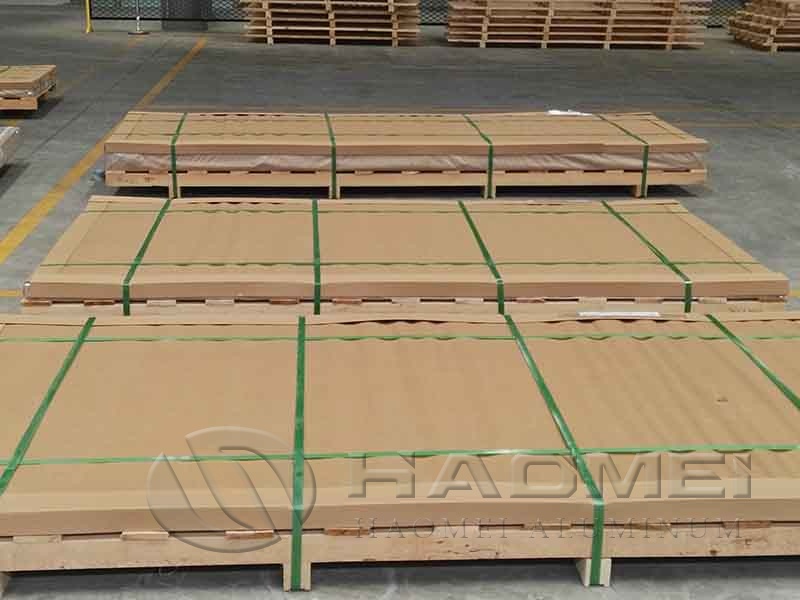
- Packing method for protection against moisture, handling marks, and transport damage.
- Quantity per lot, delivery schedule, and whether batch consistency is required.
For pressurized components, ask the reservoir producer which material characteristics are controlled in its qualification file. This may include tensile properties, elongation, grain structure, bend performance, weldability, and corrosion-test requirements. Avoid replacing an approved temper with an available alternative solely to shorten lead time. A minor material change can affect forming forces, weld behavior, and the certified pressure rating.
Commercial evaluation should also include metal-price mechanisms, conversion cost, cutting yield, freight, and packaging. Aluminum prices can move with primary metal markets, regional premiums, energy costs, and rolling-mill capacity. A fixed-price quotation may simplify budgeting for a short project, while a formula linked to an agreed metal index can be more suitable for long-term supply. Define the reference date, premium, processing charge, currency, and tolerance for each order.
Before placing volume orders, request a mill certificate for the proposed lot, confirm the traceability format, inspect sample surfaces, and verify actual thickness at several positions. These controls help ensure that aluminum sheet for car air reservoir fabrication supports repeatable production rather than creating costly issues during forming, welding, pressure testing, or vehicle assembly.