
Al 5182 is frequently discussed by tank truck fabricators because it offers useful strength, formability, and corrosion resistance within the 5xxx aluminum alloy family. It is often considered for formed tanker components, tank ends, bulkheads, access covers, and structural parts rather than automatically being selected for every shell section.
The following questions reflect recurring recent discussion themes in English-language search and Q&A queries about Al 5182 for aluminum tanker plate projects. Answers focus on practical material selection and manufacturing considerations.
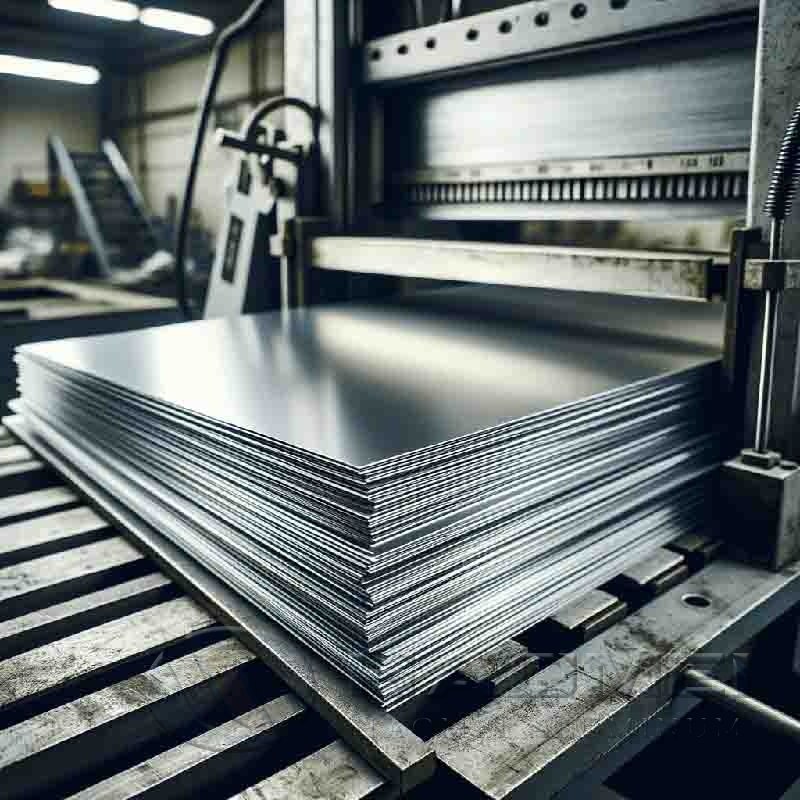
1. Is Al 5182 suitable for an aluminum tanker body?
Al 5182 can be suitable for selected aluminum tanker body components, especially where forming performance and moderate-to-high strength are required. Its magnesium-based composition provides good resistance to atmospheric corrosion and many non-aggressive liquid transport environments. It also retains good mechanical performance after forming when the correct temper and thickness are specified.
However, suitability depends on the component and cargo. A tanker shell has different demands from a dished head, internal baffle, manhole neck, or bulkhead. Shell plates must handle repeated road vibration, liquid surge, weld zones, pressure effects, and local loading from saddles or mounting structures. For this reason, 5182 should be evaluated against the truck design code, cargo compatibility requirements, weld layout, and minimum residual thickness target.
For many designs, fabricators compare 5182 with 5182 aluminum plate specifications in the required temper and with alloys commonly used for heavier-duty shell applications. Material selection should not rely only on nominal tensile strength. Elongation, bend performance, weld softening, surface quality, and corrosion exposure are equally important.
| Tanker Component | Typical Al 5182 Suitability | Main Selection Concern |
|---|---|---|
| Formed end caps | Good | Bend radius and forming temper |
| Baffles and bulkheads | Good | Weld design and fatigue loading |
| Tank shell | Application-dependent | Cargo, thickness, and structural code |
| Manhole covers | Good | Surface finish and corrosion exposure |
| Chassis-mounted parts | Conditional | Galvanic isolation and load path |
2. What temper of Al 5182 is best for tanker plate forming?
The best temper depends on whether the plate will undergo deep forming, bending, rolling, or only light fabrication. A softer temper can reduce cracking risk during severe forming, while a harder strain-hardened temper can provide higher initial strength for parts that need limited reshaping.
For tanker components with complex curves, fabricators should first define the smallest inside bend radius, forming direction relative to rolling direction, tooling pressure, and allowable surface marking. A material that looks satisfactory in a flat-sheet tensile test may still show edge cracking during production if its temper is too hard for the selected die geometry.
A useful purchasing practice is to request the mill certificate with chemical composition, tensile properties, thickness tolerance, and temper designation. When parts will be rolled into cylindrical sections, ask for flatness and edge condition requirements as well. Trimmed edges and controlled surface quality can reduce the chance of defects developing during rolling or welding.
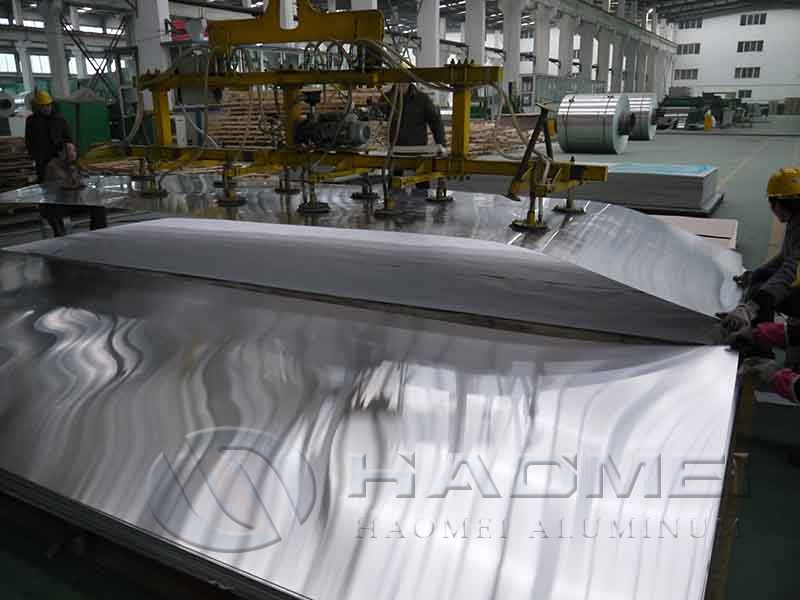
3. Can Al 5182 be welded for tank truck fabrication?
Yes. Al 5182 has good weldability using common aluminum welding processes such as MIG and TIG, provided the workshop follows appropriate cleaning, filler-metal selection, and heat-control procedures. In tanker production, MIG welding is often preferred for longer seams because it offers productivity and consistent deposition when parameters are controlled.
The critical issue is not whether Al 5182 can be welded, but how the welded area performs after fabrication. Strain-hardened 5xxx alloys lose some strength in the heat-affected zone. Therefore, design calculations should use the applicable welded-joint properties rather than the unwelded plate values shown on the certificate.
Before welding, remove moisture, oil, oxide contamination, and shop debris from joint surfaces. Aluminum's oxide layer melts at a much higher temperature than the base metal, so poor cleaning can create porosity and fusion problems. Use qualified welding procedures, test representative joints, and inspect seams according to the tanker's regulatory and customer requirements. For sections exposed to repeated loading, fatigue-focused weld details are particularly important.
4. Is Al 5182 corrosion resistant enough for fuel or chemical tankers?
Al 5182 has good general corrosion resistance, but no aluminum alloy should be described as universally compatible with every transported liquid. Compatibility depends on the cargo concentration, water content, pH, contaminants, operating temperature, cleaning chemicals, and how long the product remains inside the tank.
For refined fuels and many dry bulk or food-related uses, aluminum alloys can perform well when the tanker is correctly designed and maintained. Chemical service requires a more detailed review. Strong alkalis, certain acidic media, chloride-rich contamination, and incompatible wash solutions may cause attack or staining. The cargo specification and cleaning regime should be reviewed before plate procurement, not after the tank has been fabricated.
Galvanic corrosion also deserves attention. Where Al 5182 contacts steel brackets, fasteners, or chassis components in wet service, use suitable isolators, coatings, or joint design to prevent dissimilar-metal corrosion. Drainage matters as much as alloy selection because trapped water and road salts can create localized corrosion conditions.
For comparison with an alloy frequently selected for robust marine and tanker environments, review 5083 aluminum plate alongside 5182, using the same thickness, temper, cargo, and welded-joint assumptions.
5. What should be checked before ordering Al 5182 tanker plate?
Start with a component-based specification rather than ordering only by alloy name. The purchase specification should identify thickness, width, length, temper, acceptable thickness tolerance, surface condition, flatness, edge condition, and certification requirements. Tanker fabricators may also need ultrasonically tested material, traceable heat numbers, or additional inspection records for critical components.
It is also wise to check whether the plate size matches the fabrication route. Wider plate can reduce the number of longitudinal welds in a shell, but it may require different handling equipment and rolling capacity. Longer sheets can improve material yield, yet they can be harder to transport and store without damage.
| Ordering Check | Why It Matters for Tanker Manufacturing |
|---|---|
| Alloy and temper | Controls forming response and strength level |
| Thickness tolerance | Supports accurate rolling and structural calculations |
| Plate width and length | Influences weld quantity and scrap rate |
| Mill test certificate | Confirms chemistry and mechanical properties |
| Surface condition | Helps avoid forming marks and welding contamination |
| Traceability | Supports quality records for regulated tank equipment |
A pre-production trial using actual plate, filler wire, bend tools, and weld settings is valuable when introducing Al 5182 into a new tanker design. It allows the fabrication team to verify forming behavior, welded-joint properties, dimensional stability, and surface appearance before full-scale production begins.