
Recent AW 5754 Aluminum Questions From Tanker Manufacturing Discussions
The following questions reflect recurring English-language search and Q&A discussion themes from the past three months around aluminum tanker plate, fuel tank bodies, and transport equipment fabrication. AW 5754 aluminum is an Al-Mg alloy valued for corrosion resistance, forming performance, and moderate strength. However, tank shell suitability depends on the transported medium, design pressure, weld procedure, thickness, and local transport regulations.
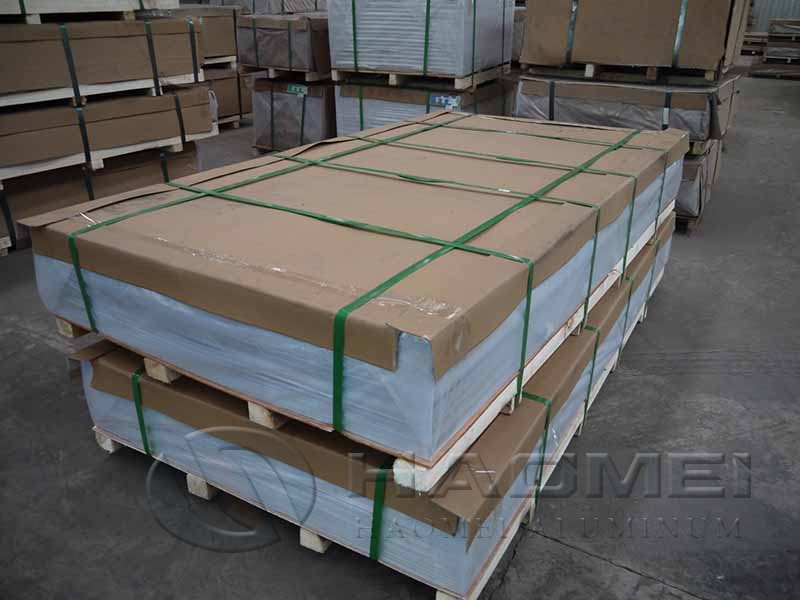
| Property | Typical Relevance for Tank Truck Fabrication |
|---|---|
| Alloy family | Aluminum-magnesium, non-heat-treatable |
| Common tempers | H111, H22, H32, H34 |
| Major advantage | Good corrosion resistance and formability |
| Typical use | Tanker shells, compartments, bulkheads, fabricated truck components |
| Main design consideration | Strength is lower than some higher-magnesium tanker alloys |
1. Is AW 5754 aluminum strong enough for an aluminum fuel tanker?
AW 5754 aluminum can be suitable for selected fuel tanker structures, especially where corrosion resistance, weldability, and formed panel quality are priorities. It is not automatically the best choice for every full-capacity road tanker, because shell strength must be calculated against liquid surge, internal pressure or vacuum, compartment layout, support spacing, and required service life.
For a tanker shell, the alloy decision should not be made from tensile strength alone. A fabricator should review yield strength in the supplied temper, plate thickness, shell diameter, stiffener design, and the reduction in strength around welded areas. In many tanker applications, a slightly thicker AW 5754 plate can provide the required rigidity, but this may reduce the weight-saving advantage compared with a stronger alloy.
AW 5754 is often practical for lower-stress tank sections, formed end caps, covers, equipment boxes, and certain bulkhead designs. For large-volume tanks with demanding fatigue loading, some manufacturers compare it with 5454 aluminum plate, which is widely specified for transport tanks because it provides a stronger balance of corrosion resistance and mechanical performance.
2. What temper of AW 5754 aluminum is best for tanker plate?
The best temper depends on whether the plate will be deeply formed, roll-bent into a shell, or used in a relatively flat structural component. H111 is commonly considered where fabrication includes substantial forming and welding. H22 or H32 can offer higher strength while retaining useful bendability for many tanker components.
A common mistake is ordering a harder temper simply to obtain a higher strength number. Harder material may require a larger bend radius and can increase the risk of surface cracking during tight forming. Tank shell rolling normally needs consistent mechanical properties across the full plate width, especially when long weld seams and multiple compartments are involved.
| Tanker Part | Often Considered Temper Direction | Reason |
|---|---|---|
| Rolled cylindrical shell | H111 or H22 | Supports rolling and welded fabrication |
| Formed end head | H111 | Better for deeper forming operations |
| Bulkhead or partition | H22 or H32 | Adds stiffness where forming demand is moderate |
| Tool boxes and covers | H22, H32, or H34 | Surface rigidity and moderate forming capability |
Material certificates should confirm actual temper, thickness tolerance, chemistry, mechanical values, and flatness. For tanker production, consistent batch control matters as much as the nominal alloy designation.
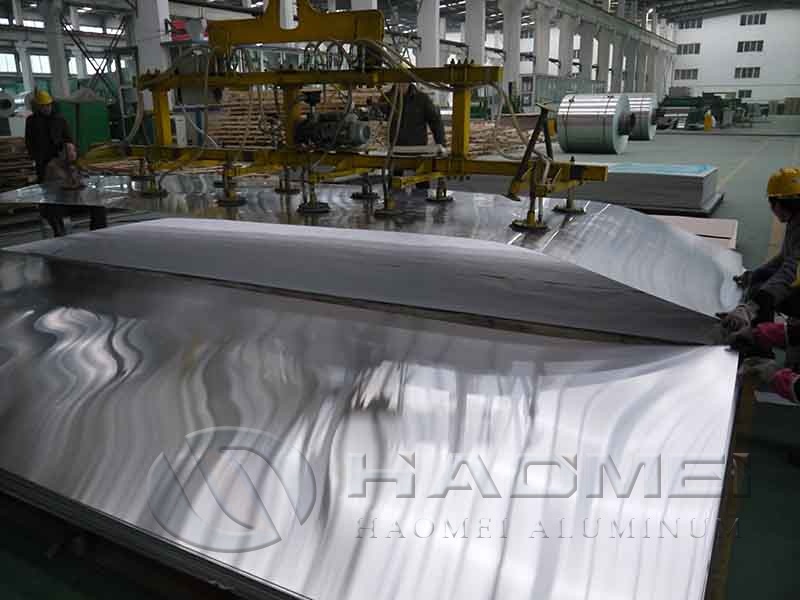
3. Can AW 5754 aluminum be welded without losing corrosion resistance?
Yes. AW 5754 aluminum has good weldability using common MIG or TIG processes, provided that filler wire, cleaning practice, shielding gas, and heat input are controlled. The alloy does not lose corrosion resistance merely because it is welded, but poor welding practice can create defects that accelerate localized attack or shorten fatigue life.
For tanker fabrication, weld preparation should remove oxide, moisture, oil, and transfer contamination. Aluminum oxide melts at a much higher temperature than the base metal, so inadequate cleaning can cause lack of fusion or porosity. Joint design is equally important: an overly wide root opening or inconsistent fit-up increases filler consumption and heat input.
The heat-affected zone of a strain-hardened temper can soften after welding. Therefore, engineers should base shell calculations on welded-condition properties rather than mill-condition strength. Weld inspection commonly includes visual examination, leak testing, and, where required by the tank specification, non-destructive testing of critical seams.
For tank components exposed to fuel, water, road salts, or atmospheric moisture, a clean weld profile with no trapped crevices is more valuable than a visually smooth bead alone. Drainage paths, accessible inspection points, and careful attachment design also help protect long-term service performance.
4. Is AW 5754 aluminum resistant to diesel, gasoline, and road salt?
AW 5754 aluminum generally performs well in atmospheric conditions and against many transport environments, including moisture and road-salt exposure. It is frequently evaluated for tanker-related equipment because aluminum naturally forms a protective oxide layer. Diesel and gasoline normally do not attack the alloy in the same way as aggressive acids or strongly alkaline chemicals.
However, compatibility must be checked for the complete transported product, not just its primary name. Additives, cleaning fluids, water contamination, chloride concentration, cargo temperature, and long storage periods can change the corrosion risk. A tanker carrying chemical blends, waste liquids, fertilizer solutions, or high-pH cleaning products may require a different alloy, internal treatment, or an alternative tank material.
Avoid direct, unprotected contact between AW 5754 aluminum and dissimilar metals such as carbon steel in wet service. This can create galvanic corrosion. Isolating pads, suitable fasteners, sealants, and drainage design are practical ways to reduce the risk around brackets, chassis interfaces, and mounted accessories.
5. What thickness should AW 5754 aluminum tanker plate be?
There is no universal thickness for AW 5754 aluminum tanker plate. Thickness must be set through tank engineering calculations and applicable certification requirements. Important variables include tank diameter, compartment capacity, product density, operating pressure, vacuum condition, baffle layout, support saddle spacing, and required impact resistance.
A tank carrying a low-density fuel may need a different shell design from one carrying water, edible oil, or dense industrial liquid. Designers also account for handling loads during braking, cornering, road vibration, and partial-fill surge. The plate must provide enough remaining thickness after forming, welding, finishing, and years of service inspection.
When requesting material, specify plate dimensions, temper, surface condition, ultrasonic testing requirements if applicable, certificate standard, and intended tanker part. For shell projects requiring a stronger magnesium alloy option, 5083 aluminum plate is often compared with AW 5754 during the engineering stage. The final selection should match the approved tank drawing and the operating conditions of the finished vehicle.
AW 5754 aluminum remains a useful material for many transport fabrication projects when its strength level, formed shape, welded condition, and corrosion environment are evaluated together rather than treated as separate material checks.