
AL 5754 H22 is an aluminum-magnesium alloy sheet and plate commonly considered for tank truck bodies, bulkheads, protective covers, side panels, toolboxes, and selected formed parts. Its combination of corrosion resistance, moderate strength, weldability, and relatively good formability makes it useful in transport equipment exposed to moisture, road salt, and repeated vibration.
For liquid transport vehicles, material selection must match the cargo, tank design, operating environment, and applicable transport regulations. AL 5754 H22 can be suitable for many structural and non-pressure applications, but it should not be selected for a tank shell simply because it is corrosion resistant. The tank manufacturer and design engineer should confirm alloy, temper, thickness, welding procedure, and cargo compatibility.
Understanding AL 5754 H22 for Tank Truck Applications
5754 is an Al-Mg alloy defined in standards such as EN 573-3. Magnesium improves corrosion resistance and strength compared with pure aluminum. It is widely used in transportation, marine-related equipment, vehicle panels, and fabricated components.
The H22 temper means the material has been strain hardened and then partially annealed. It is generally described as quarter-hard. Compared with annealed O temper material, H22 offers higher strength while retaining workable forming performance. This balance can be useful for parts that need bending, rolling, pressing, or fabrication without requiring the highest possible strength level.
| Property | AL 5754 H22 Consideration for Tank Trucks |
|---|---|
| Alloy family | Aluminum-magnesium, non-heat-treatable |
| Temper | H22, strain hardened and partially annealed |
| Corrosion resistance | Good in normal atmospheric and road-service environments |
| Weldability | Generally good with suitable filler metal and qualified welding procedures |
| Formability | Better than harder tempers, but bend radius must match thickness and direction |
| Typical uses | Body panels, bulkheads, covers, flooring components, formed vehicle parts |
| Verification documents | Mill test certificate, dimensional report, surface inspection record |
For tanker fabricators, H22 should be assessed carefully where frequent cyclic loading is expected. Welding changes the properties in the heat-affected zone of non-heat-treatable alloys. Therefore, strength calculations should use values appropriate to the welded condition where required, rather than relying only on the parent-material certificate.
For tank shells carrying fuels, chemicals, or pressurized products, 5754 may not always be the preferred alloy. Depending on the design standard and duty cycle, fabricators may also evaluate 5454 aluminum plate for certain tanker structures because of its established use in transport tank applications. Cargo compatibility testing and applicable regulations remain essential for every project.
What to Specify When Purchasing 5754 H22 Plate
A clear purchase specification reduces production delays, inconsistent forming results, and disputes over quality. Do not order only by alloy and thickness. A proper inquiry should define the required standard, dimensions, tolerances, surface condition, and inspection documents.
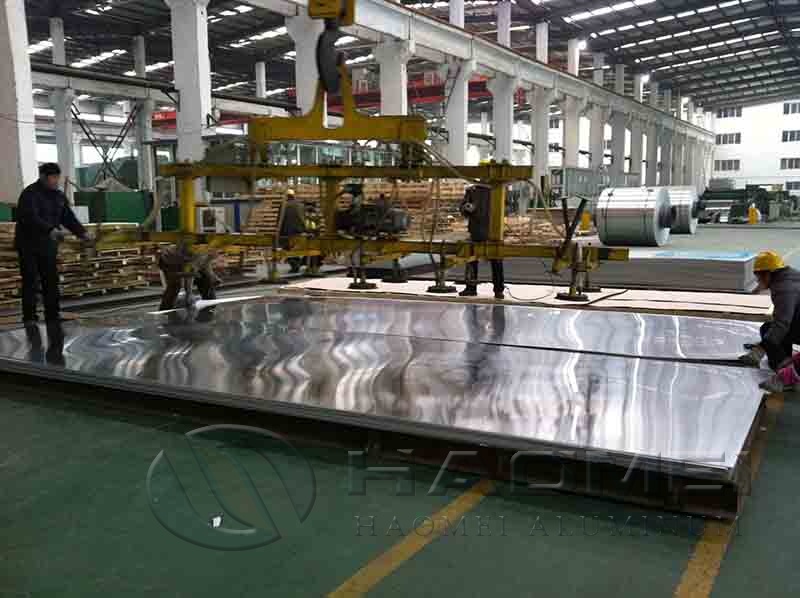
Important purchase details include the following.
| Purchase Item | What to Confirm |
|---|---|
| Alloy and temper | EN AW-5754 H22, or the agreed equivalent standard designation |
| Product form | Sheet, plate, coil, slit coil, or cut-to-length blanks |
| Thickness and tolerance | Nominal thickness, permitted deviation, and thickness measurement method |
| Width and length | Maximum handling size, nesting plan, and cutting allowance |
| Mechanical properties | Tensile strength, proof strength, and elongation for the actual thickness range |
| Surface quality | Mill finish, protective film, allowable scratches, edge condition, and flatness |
| Documentation | Mill test certificate, chemical analysis, mechanical test results, and traceability |
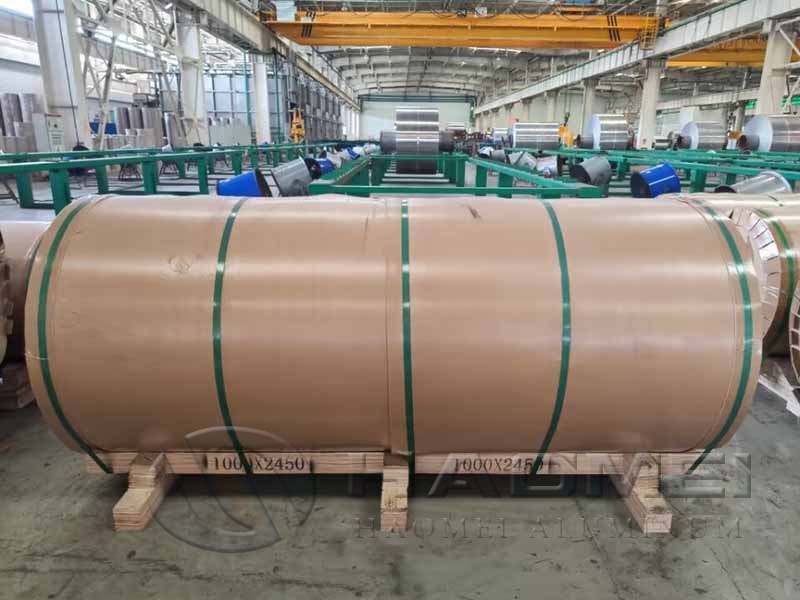
| Packing | Moisture protection, pallet type, export packaging, and coil eye orientation |
Thickness tolerance deserves special attention. Tank truck fabricators often calculate weight, forming behavior, and weld preparation around a narrow thickness range. Material that is technically within a broad commercial tolerance may still create problems in automated rolling or pressing operations. State the acceptable tolerance clearly and ask the supplier to provide measurement records for each lot.
Flatness is also important for large body panels and bulkhead blanks. Excessive wave, coil set, or edge camber can increase scrap and make welding fixtures harder to use. When purchasing coil for blanking, confirm the internal diameter, outer diameter, coil weight, and whether the coil can be safely processed on existing decoiling equipment.
Quality Checks and Commercial Factors for Bulk Orders
Before approving a bulk order, request representative samples or production-lot data when the material will be used for critical formed components. Verify chemical composition and mechanical properties against the selected standard, such as EN 485 for sheet and plate requirements where applicable. ASTM B209 may also be referenced when the project and supply chain use ASTM-based specifications.
A mill test certificate should identify the producer, alloy, temper, heat or batch number, dimensions, chemical composition, and test results. Traceability matters because tank truck manufacturers may need to connect finished vehicle records to incoming material records for audits, customer requirements, or compliance reviews.
For projects requiring higher-strength plate or heavier-duty tank components, 5083 aluminum plate may be considered alongside 5754. The suitable choice depends on the fabricator's forming process, welding design, service temperature, fatigue requirements, and the transported medium.
Price comparisons should use the same technical basis. A lower quoted price can reflect a different thickness tolerance, shorter certified test scope, lower surface standard, lighter actual gauge, or less protective packaging. Compare delivered cost rather than metal price alone, including cutting, film, packing, freight, certificate requirements, and expected yield during fabrication.
For international supply, confirm lead time for the required width and thickness before finalizing a production schedule. Wide plate, tight-tolerance coil, and non-standard lengths may require rolling schedules that are different from common stock sizes. It is also practical to agree on inspection timing, claim procedures, and acceptable quantity variation before production begins.