
Aluminum 5754 is a widely used Al-Mg alloy for transportation equipment, including tank trucks, dry bulk trailers, vehicle bodies, toolboxes, and protective components. Its combination of medium strength, good corrosion resistance, weldability, and formability makes it suitable for many fabricated vehicle parts. For bulk procurement, however, selecting material by alloy name alone is not enough. Plate temper, thickness tolerance, surface condition, certification, and processing requirements all affect the final performance of a tanker or special vehicle.
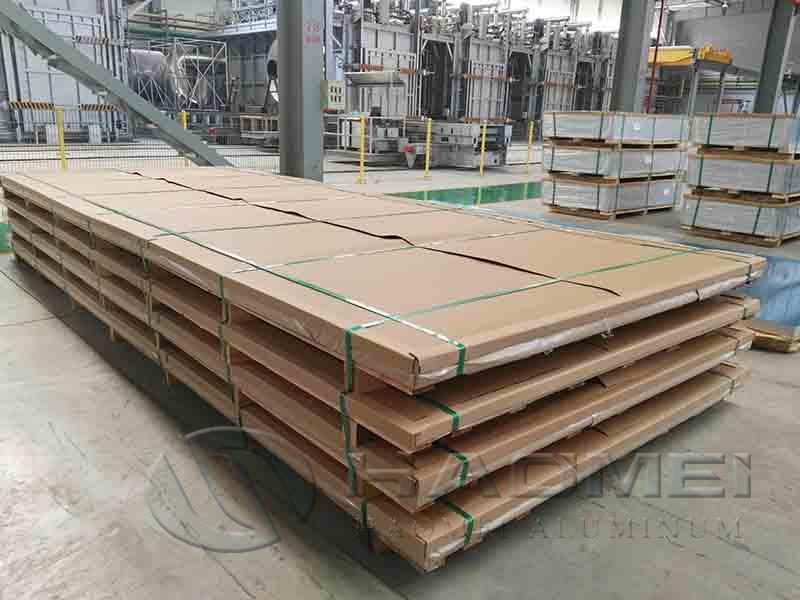
Why Aluminum 5754 Is Used in Tank Truck and Special Vehicle Fabrication
5754 belongs to the 5xxx series of non-heat-treatable aluminum alloys. Magnesium is its primary alloying element. It gains strength mainly through cold working, so tempers such as H111, H22, H32, and H34 are common in sheet and plate supply. The best temper depends on whether the material will be bent, stamped, rolled, welded, or used as a relatively flat structural panel.
For tank truck applications, 5754 is often considered for non-pressure parts and vehicle components where corrosion resistance and workability are important. Typical uses include tank cladding, outer skins, fenders, walkways, equipment cabinets, partitions, mudguards, and special-vehicle panels. It may also be used for certain tank-related fabricated parts when the vehicle design, transported medium, local regulations, and engineering specifications permit it.
Material selection for the tank shell itself requires particular care. The shell must meet the vehicle design code, transport regulations, welding procedure requirements, fatigue considerations, and compatibility requirements for the cargo. In some tanker designs, higher-strength 5xxx alloys may be specified. For example, 5454 aluminum plate is commonly evaluated for applications requiring good elevated-temperature stability and transport-equipment performance. The final alloy choice should always follow the tank manufacturer's approved drawing and engineering standard.
| Property | Practical Value for Vehicle Fabrication |
|---|---|
| Corrosion resistance | Performs well in atmospheric and many industrial environments, helping reduce maintenance needs. |
| Weldability | Suitable for common aluminum welding methods when proper filler metal and procedure controls are used. |
| Formability | Supports bending, pressing, and shaping for panels and formed components. |
| Moderate strength | Appropriate for many non-pressure vehicle structures and protective parts. |
| Low density | Helps reduce vehicle tare weight compared with steel components. |
A lighter vehicle can increase allowable payload under legal gross vehicle weight limits, depending on the truck configuration. Aluminum also does not require the same corrosion-protection approach as carbon steel, although surface contamination, galvanic contact, and chemical exposure must still be managed properly.
How to Specify 5754 Aluminum Plate Correctly
A purchase specification should state more than "5754 aluminum plate." Start with the intended component and fabrication method. A formed side panel needs different elongation and bend performance from a stiff floor panel or protective cover. Thickness should be selected according to design calculations, stiffness requirements, forming radius, and welding distortion control.
Common supply forms include sheet, plate, coil, and cut-to-length blanks. Sheet is generally used for thinner gauges, while plate is used where greater thickness and rigidity are needed. The terminology can vary by supplier and regional standard, so procurement documents should state the required nominal thickness, dimensional tolerances, and delivery form rather than relying only on the words sheet or plate.
For 5754, temper selection is especially important:
| Temper | Typical Procurement Consideration |
|---|---|
| O | Soft condition with high formability, useful where deep forming is needed. |
| H111 | Lightly strain-hardened condition, often selected for fabricated transport parts. |
| H22 / H32 | Strain-hardened and stabilized tempers balancing strength and formability. |
| H34 | Higher strength than H32, but with lower forming allowance for tight bends. |
For tanker and special-vehicle components, H111 and H32 are frequently discussed because they offer practical fabrication characteristics. Still, the correct condition must be verified through trial forming and the manufacturer's technical requirement. A tight bend in a high-strength temper can crack if the inside bend radius is too small or the rolling direction is ignored.
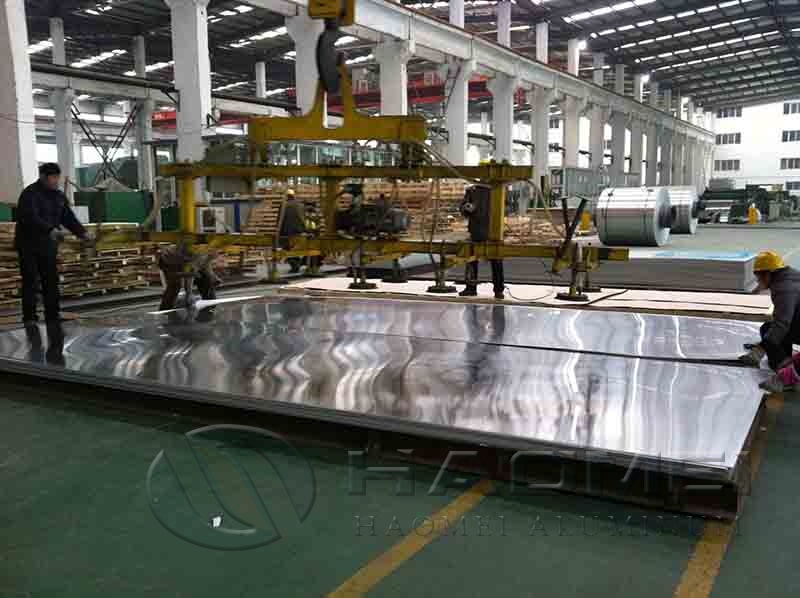
The order should also identify the governing standard. Depending on the market and contract, this may include EN standards for chemical composition and mechanical properties, ASTM material specifications, or customer-specific technical agreements. Request a mill test certificate showing alloy, temper, heat number, chemical composition, tensile values, dimensions, and inspection status. For critical vehicle components, traceability from received plate to finished part is a practical quality-control measure.
Surface requirements deserve equal attention. Specify whether the material must be mill finish, protective-film covered, brushed, or suitable for painting. For visible tanker skins, surface scratches, roller marks, oil residue, dents, and edge damage can increase rework costs. If the plate will be welded, avoid excessive surface treatment that could complicate cleaning before welding.
Purchasing Checks for Bulk Tanker Plate Orders
Bulk purchasing should begin with a stable technical specification and a realistic production forecast. Tank truck manufacturers often need consistent material properties over repeated orders, not simply the lowest spot price. Changes in thickness, temper, flatness, or coil set can affect tooling settings, forming results, welding fit-up, and assembly efficiency.
Before confirming a supplier, evaluate these purchasing points:
-
Chemical composition and temper consistency. Confirm that each lot meets the specified 5754 range and temper requirements. Do not substitute another 5xxx alloy without engineering approval.
-
Thickness and flatness control. Thickness variation may affect panel fit, formed geometry, and vehicle weight. Flatness is especially relevant for large exterior skins and laser-cut blanks.
-
Mechanical-property records. Review tensile strength, yield strength, and elongation on the material certificate. The applicable acceptance values depend on product form, thickness, temper, and referenced standard.
-
Dimensions and edge quality. State width, length, squareness, edge condition, and permitted burr level. Narrow tolerances may raise cost, but they can reduce downstream trimming losses.
-
Packaging and transport protection. Moisture-resistant packaging, interleaving where needed, pallet stability, and clear labeling reduce damage during long-distance shipment. Condensation exposure can stain aluminum surfaces even though the alloy has good corrosion resistance.
-
Production sampling. For new sources, inspect initial lots for surface condition, thickness, bend behavior, and welding response before approving regular deliveries. This is particularly useful when parts are formed with existing dies.
When cargo compatibility, higher mechanical demand, or a pressure-containing structure requires a different alloy, compare alternatives early in the design process. 5083 aluminum plate is often specified for demanding welded structures because of its higher strength among commonly used 5xxx series alloys, though its suitability still depends on service temperature, fabrication method, and the applicable tank design requirements.
Pricing for 5754 material normally reflects the aluminum market price, alloy and processing premium, temper, thickness, width, ordered quantity, finishing, packaging, freight, and delivery schedule. Wider plate, close thickness tolerance, protective film, custom cutting, and small mixed-size orders usually add cost. A dependable sourcing plan should compare total delivered cost, material yield, quality consistency, certification capability, and lead-time reliability rather than comparing only the price per metric ton.
For special vehicles, a well-defined 5754 specification supports repeatable fabrication, cleaner appearance, controlled weight, and lower rejection risk. The most effective purchase order combines the alloy and temper with measurable requirements for dimensions, tolerances, certificates, packaging, and inspection acceptance.